
Resources / Blog
Blog
Engineering notes, process explainers and production insights from the VONTOC team.
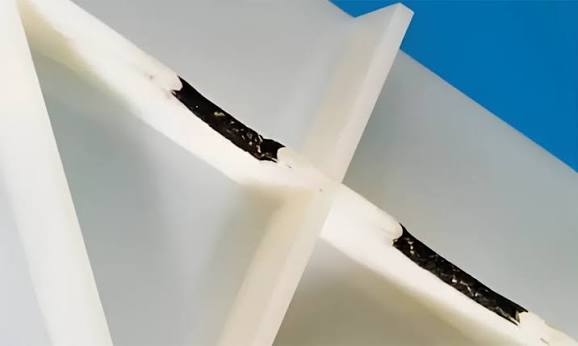
Fix Injection Mold Burn Marks: Causes & Solutions
Eliminate burn marks by reducing injection speed to prevent adiabatic heating and optimizing vent depth to 0.02–0.04 mm for efficient…
Read more
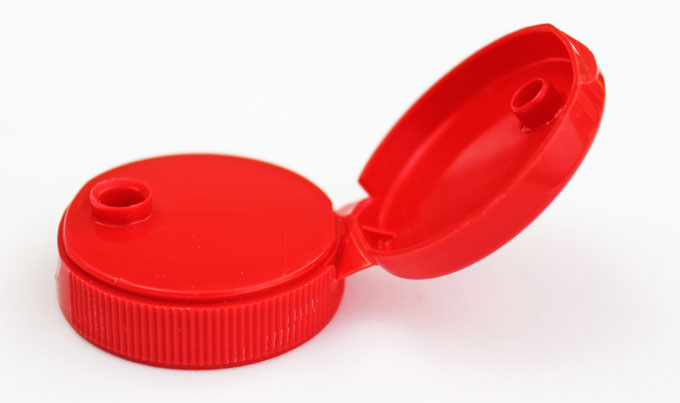
Injection Molded Living Hinge: Design and Alternatives
Polypropylene is the optimal material for living hinges, requiring a thickness of 0.25–0.50 mm to ensure molecular orientation and fatigue…
Read more
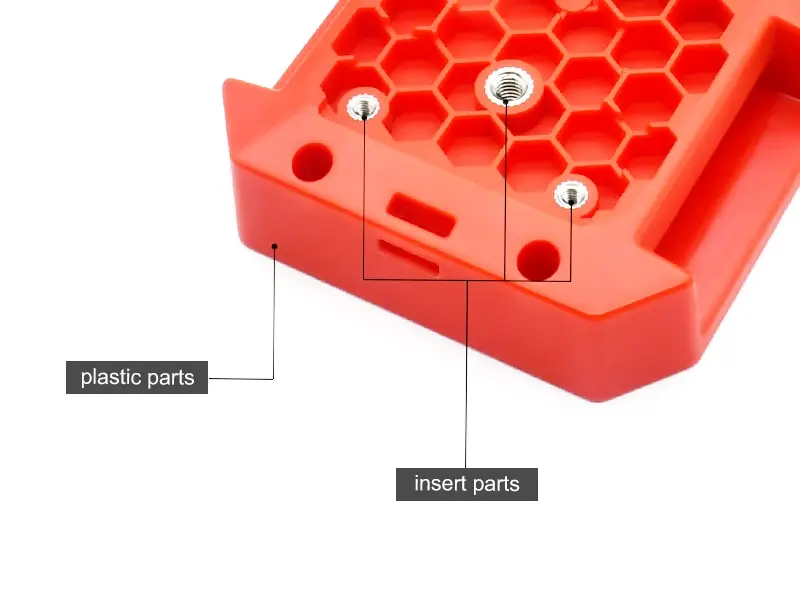
Metal Insert Assembly Design Guide: Practical Tips
If a part needs to be assembled and disassembled many times, I recommend using metal threaded inserts. Most inserts should…
Read more

Injection Molding Draft Angles: Standards & Design Tips
Apply a minimum 1° draft per side for general surfaces, increasing to 2–3° for textured areas to ensure reliable ejection.…
Read more
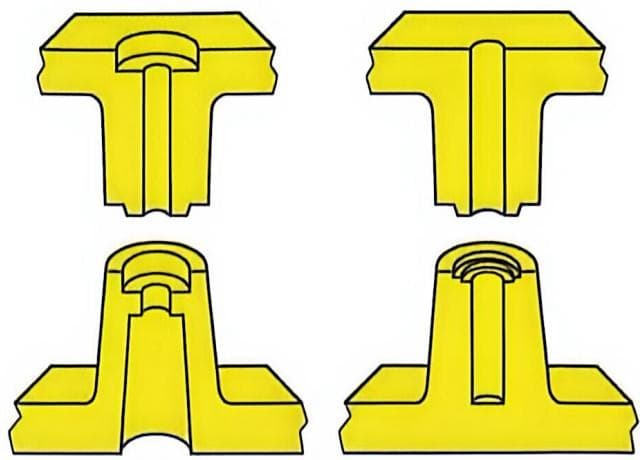
Plastic Injection Molded Hole Design Guide
Hole Design Core pins are raised features in the mold that form internal features such as holes, openings, and grooves.…
Read more
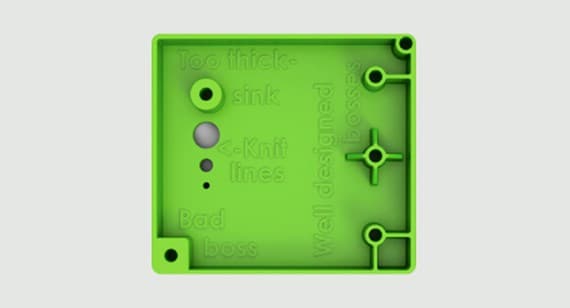
Plastic Boss Design Guide: Dimensions & Tips
Design boss outer diameters at 2.5–3.0 times the inner diameter to prevent sink marks, while maintaining a wall thickness ratio…
Read more
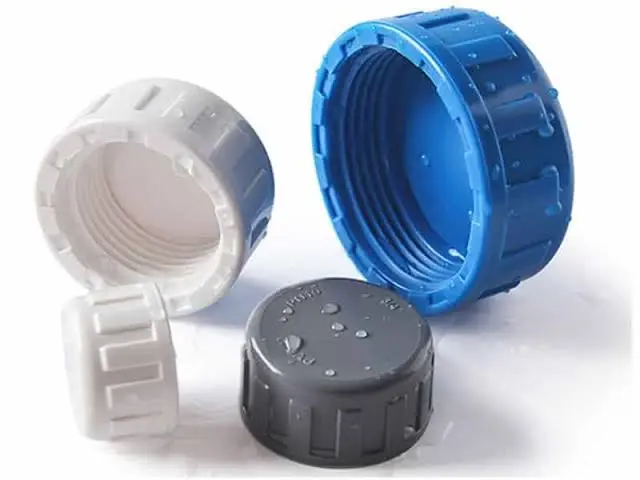
Injection Molded Threads: Design And Alternatives
Sawtooth threads are optimal for thermoplastics, featuring a 0.035–0.070P root radius to minimize stress. For bidirectional loads, use Whitworth forms…
Read more
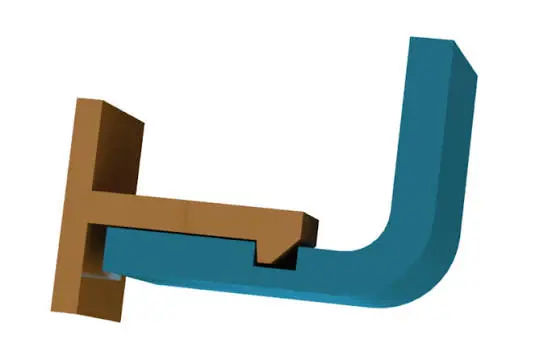
Injection Molded Snap-Fit: Types and Calculations
Optimize snap-fit reliability by selecting L- or U-shaped geometries to extend beam length, ensuring assembly strain remains below the material’s…
Read more
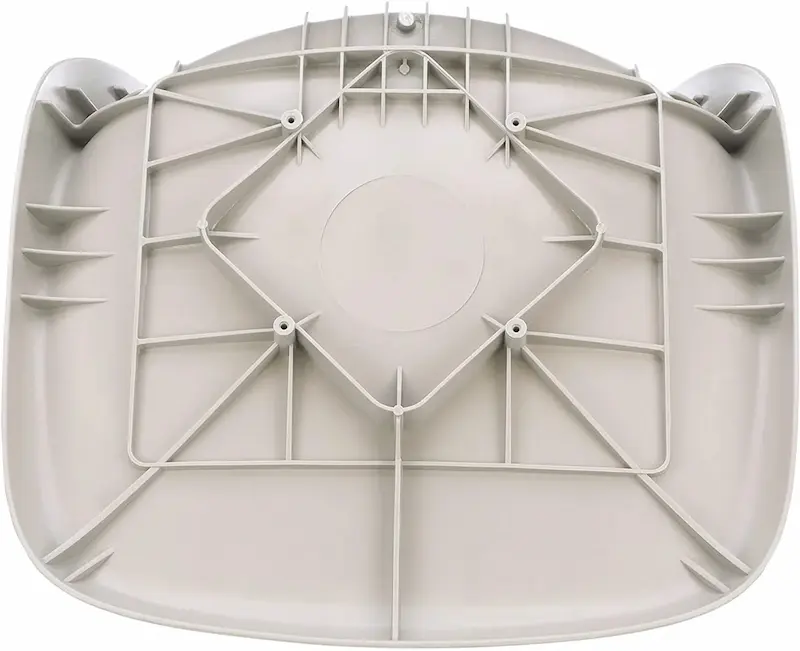
Injection Molded Rib Design – Best Practices
Maintain rib thickness at 50–60% of the nominal wall to prevent sink marks and ensure structural integrity. Incorporate a 0.5–1.5°…
Read more