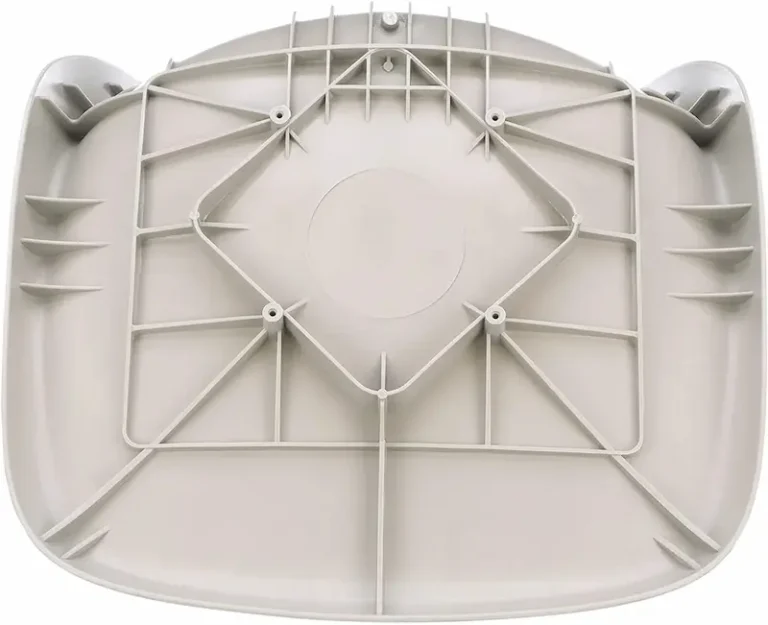
Injection Molded Rib Design – Best Practices
Maintain rib thickness at 50–60% of the nominal wall to prevent sink marks and ensure structural integrity. Incorporate a 0.5–1.5° draft angle per side to

Maintain rib thickness at 50–60% of the nominal wall to prevent sink marks and ensure structural integrity. Incorporate a 0.5–1.5° draft angle per side to
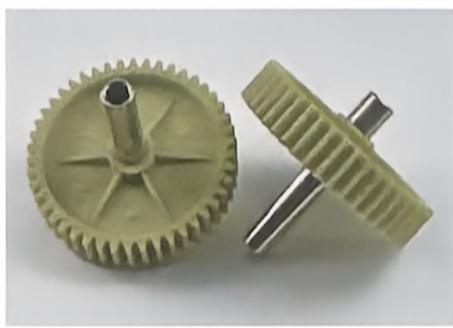
Calculate press-fit interference by limiting hoop stress to 20%–25% of the material’s short-term tensile yield strength. Apply thick-wall cylinder theory to balance assembly force and
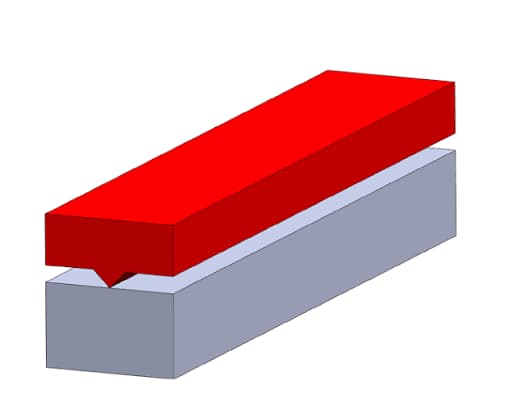
Ultrasonic welding joins thermoplastics in 0.1–1.0 seconds using 20–40 kHz vibrations that generate interfacial heat through molecular friction. Success relies on precise joint geometry, such
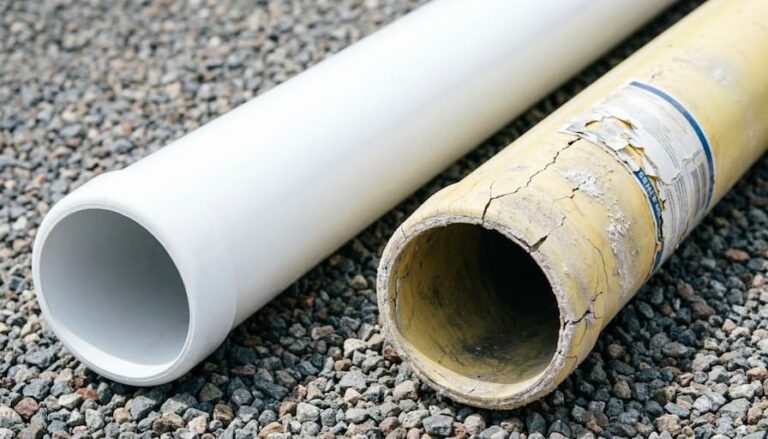
Sunlight silently destroys plastics through photodegradation, causing yellowing and brittleness. Understanding UV resistance versus stabilization is crucial for selecting durable materials like acrylic or HDPE
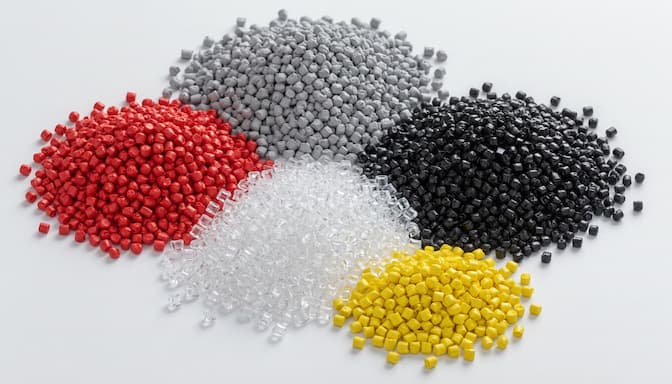
Select injection molding materials by referencing similar existing products and consulting manufacturers on process feasibility. Prioritize compatibility with post-processing, such as choosing ABS over PP
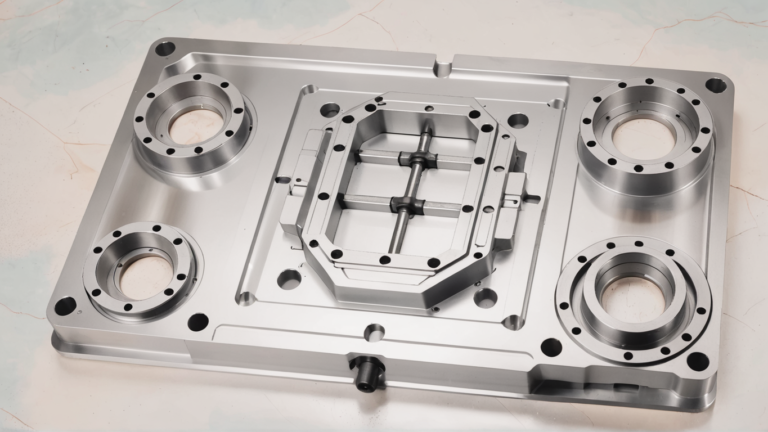
Aluminum injection molding is a versatile manufacturing process that combines efficiency with cost-effectiveness, making it a popular choice in various industries. This article delves into