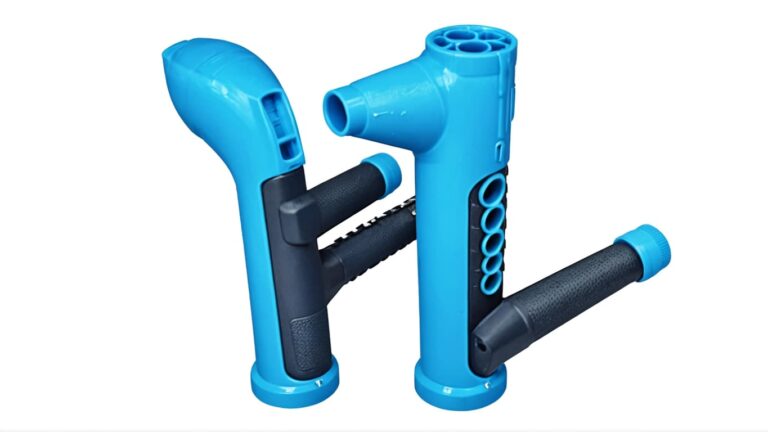
Aluminum injection molding is a process in which molten plastic is injected into a mold made of aluminum to create parts with precise geometries. It is primarily used for low- to medium-volume production and prototyping due to its relatively fast turnaround time and lower tooling costs.
Aluminum molds are widely used in industries such as automotive, medical devices, electronics, and consumer goods. For example, automotive companies use aluminum tooling to create prototype parts for design validation and early testing. In the medical field, the short lead times of aluminum molds are ideal for producing custom or small-batch components.
Compared to steel molds, aluminum molds are less durable but much quicker to manufacture. According to a 2021 study by the Society of Plastics Engineers, aluminum mold production is typically 30–50% faster than steel mold fabrication. This speed makes aluminum ideal for rapid prototyping and short-run production where time-to-market is critical.
Aluminum molds offer several benefits over traditional steel molds:
- Faster machining times: Aluminum is softer and easier to cut than steel, reducing CNC machining time by up to 40% (source: Modern Machine Shop). This allows manufacturers to create molds in days instead of weeks.
- Better thermal conductivity: Aluminum’s thermal conductivity is approximately 5 times higher than that of P20 tool steel (167 W/m·K vs. 29 W/m·K). This enables faster cooling cycles and shorter production times. In fact, cycle times can be reduced by 20–30% due to improved heat dissipation.
- Reduced complexity of cooling systems: Due to its excellent heat transfer, aluminum molds often require simpler or no internal water channels, which not only shortens the mold fabrication process but also reduces maintenance.
- Lightweight: Aluminum is about one-third the weight of steel, making mold handling and transportation easier and safer, especially in high-mobility or modular production environments.
These advantages make aluminum molds highly suitable for early-stage product development and testing where speed and flexibility are paramount.
Despite their benefits, aluminum molds come with certain drawbacks:
- Lower hardness and wear resistance: Aluminum has a Brinell hardness of about 60–100 HB, while tool steels like H13 exceed 500 HB. This makes aluminum molds more prone to wear, especially when molding abrasive materials like glass-filled resins.
- Shorter lifespan: Most aluminum molds are rated for about 5,000 to 10,000 cycles, compared to 100,000+ for hardened steel molds. This limits their use in high-volume production.
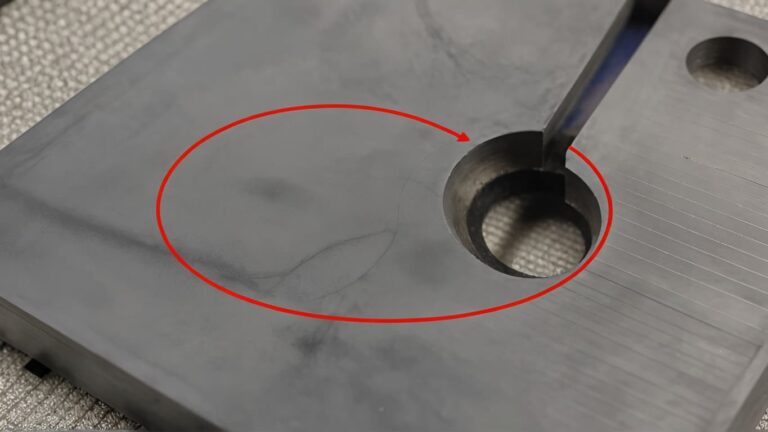
- Potential for surface damage: Due to its softness, aluminum is more likely to scratch or dent during operation or maintenance, which can affect part quality.
To mitigate these issues, manufacturers can:
- Apply hard coatings (e.g., anodizing or nickel plating) to enhance surface hardness and wear resistance.
- Use hybrid mold designs, combining aluminum bases with steel inserts in high-wear areas.
- Restrict the use of aluminum molds to non-abrasive materials and optimize part design to reduce stress concentrations.
In conclusion, while aluminum injection molding has limitations in durability, its speed, thermal efficiency, and prototyping capabilities make it an indispensable tool in modern manufacturing workflows.
Properties and Performance Comparison
- Hardness: Steel molds are significantly harder than aluminum, typically rated around 30–60 HRC, while aluminum molds range from 18–22 HRC.
- Thermal Conductivity: Aluminum has a thermal conductivity of approximately 130–180 W/m·K, compared to steel’s 20–30 W/m·K. This allows aluminum molds to heat and cool faster, reducing cycle times.
- Machinability: Aluminum is easier and faster to machine, often reducing tooling time by 20–30% compared to steel.
Situational Advantages
-
Aluminum molds are ideal for:
- Low- to medium-volume production (under 100,000 cycles).
- Prototyping and product validation.
- Projects requiring quick turnaround.
-
Steel molds are better suited for:
- High-volume production (over 100,000 cycles).
- High-pressure injection molding.
- Parts with complex geometries requiring high durability.
Cost Implications
- Initial Cost: Aluminum molds are 20–50% cheaper to produce due to lower material and machining costs.
- Maintenance and Replacement: Steel molds have a longer lifespan, reducing long-term costs for high-volume runs.
- Cooling Requirements: Aluminum’s superior thermal conductivity reduces the need for complex cooling channels, saving time and expense during mold fabrication.
Average Lifespan
- Most aluminum molds can handle 5,000 to 100,000 shots depending on the molding material and design complexity, according to a report from the Society of Plastics Engineers (SPE).
Factors Influencing Durability
- Injection Pressure: Lower pressure extends mold life; high-pressure applications can distort aluminum molds.
- Resin Type: Abrasive resins (e.g., glass-filled) degrade aluminum faster than steel.
- Part Design: Simple geometries exert less stress on the mold, enhancing longevity.
Enhancing Longevity
- Surface Treatments: Hard anodizing or nickel plating can improve wear resistance.
- Design Optimization: Incorporating radii and reducing sharp corners minimizes stress concentrations.
- Routine Maintenance: Regular cleaning and inspection can extend mold life by 10–30%, as noted in manufacturing maintenance studies.
Application Considerations
- Production Volume: Use aluminum for under 100,000 parts; steel is better for high-volume, long-term use.
- Time-to-Market Needs: Aluminum molds are typically ready in 2–4 weeks, while steel molds may take 6–12 weeks.
- Budget Constraints: Aluminum offers cost-effective prototyping; steel provides long-term value.
Design Complexity Impact
- Complex parts with tight tolerances or high precision requirements often necessitate steel molds for dimensional stability.
- Simpler designs benefit from the fast turnaround and lower cost of aluminum molds.
Industry Best Practices
- Medical and Aerospace: Often start with aluminum molds for rapid prototyping, then shift to steel for production.
- Automotive: Use steel molds for durability under high-stress conditions.
- Consumer Electronics: Frequently utilize aluminum molds for fast-paced innovation cycles.
Choosing the correct mold material requires balancing cost, timeline, volume, and design complexity. Aluminum molds offer speed and flexibility, while steel molds provide strength and durability for high-volume, long-term production.
To obtain a quote for aluminum injection molding projects, businesses typically need to follow a few structured steps. First, they should prepare detailed CAD drawings and specify the expected production volume. Then, they submit this information to mold manufacturers through their official communication channels or quote request platforms.
For accurate pricing, it’s crucial to provide:
- Complete 3D design files (e.g., STEP or IGES formats)
- Expected number of parts to be produced
- Type of plastic resin to be used
- Surface finish and tolerance requirements
- Target production timeline
Several factors influence the cost and lead time of aluminum molds:
- Material cost: Aluminum is generally more expensive than steel per unit weight, but its machining cost is lower due to its softness.
- Tooling time: Because aluminum is easier to machine, aluminum molds can be produced up to 30–50% faster than steel molds, according to data from Proto Labs.
- Mold lifespan: Due to aluminum’s lower hardness, typical mold life is around 5,000 to 10,000 cycles, compared to 100,000+ for steel molds, making them more suitable for prototyping or low-volume runs.
Sourcing aluminum molds from U.S. manufacturers offers several strategic benefits:
- Faster turnaround times: Domestic production eliminates international shipping delays, potentially reducing lead time by 1–2 weeks.
- Easier communication: Shared time zones and language facilitate clearer and quicker interactions during the design and iteration phases.
- Intellectual property protection: U.S. manufacturers are subject to strict IP laws, reducing the risk of design theft or misuse.
Quality assurance and regulatory compliance are also more straightforward with USA-based manufacturers. They often adhere to standards like ISO 9001 and may offer certifications or traceability that overseas suppliers do not. This can be critical in industries such as medical devices or aerospace.
Shipping and lead times are minimized when working with local partners. According to a 2022 ThomasNet report, companies that sourced molds domestically reported an average of 20–30% reduction in lead time compared to international sourcing.
When reaching out to aluminum injection molding companies, consider the following best practices:
- Start with a clear and concise email or contact form submission
- Include design files, project scope, and timeline expectations
- Ask specific questions about capabilities, material options, and mold life
Before contacting providers, it’s helpful to have the following information ready:
- CAD files and technical drawings
- Material and finish specifications
- Estimated production volume
- Budget constraints and delivery schedule
Evaluating potential manufacturers should focus on their responsiveness, technical knowledge, and willingness to collaborate. A timely response, clear answers to technical questions, and examples of previous work are good indicators of a reliable partner. Experts recommend requesting references or case studies to assess the provider’s track record in aluminum mold manufacturing.
When designing aluminum molds, several essential considerations must be taken into account to balance cost, durability, and performance. These include:
- Thermal Conductivity: Aluminum has a thermal conductivity of around 130–170 W/m·K, compared to steel’s 20–60 W/m·K. This allows for faster cooling cycles and shorter cycle times.
- Material Hardness: Aluminum is softer than steel, which reduces tool life. Typically, aluminum molds are good for 5,000 to 10,000 shots, whereas steel molds can last over 100,000.
- CNC Machining Time: Due to its softness, aluminum is easier and faster to machine. According to Protolabs, aluminum molds can be completed in 1–2 weeks, compared to 4–8 weeks for steel molds.
Design decisions directly affect both part quality and production efficiency. For example, under-designed cooling channels can negate the thermal advantages of aluminum. Additionally, close collaboration between mold designers and mold makers ensures that features like draft angles, wall thickness, and gate placement are optimized for aluminum’s properties.
Aluminum molds can support intricate part designs, but with some limitations. Their lower strength requires careful planning to avoid mold deformation and ensure dimensional accuracy.
Key techniques include:
- Using Inserts: Hardened steel inserts can be embedded in aluminum molds for high-wear areas like gates or ejector pin zones.
- Advanced CAM Software: High-precision CNC programming helps maintain tight tolerances in complex geometries.
- Split Mold Designs: For undercuts or complex shapes, multi-part mold assemblies are used to avoid excessive stress on aluminum parts.
Case studies from companies like Xometry show successful production of complex components such as automotive housings and medical enclosures using aluminum molds. These projects typically involve moderate volumes (under 10,000 parts), where aluminum’s faster processing offsets its lower durability.
Aluminum tooling is often chosen for its efficiency benefits, especially in prototyping or low-volume runs. Key advantages include:
- Faster Mold Fabrication: Aluminum molds can be created up to 60% faster than steel molds, reducing time-to-market significantly.
- Shorter Cycle Times: Due to excellent thermal conductivity, parts cool faster, which can reduce cycle times by 20–50%.
- No or Minimal Cooling Systems: In many cases, simple water channels or even air cooling suffice, simplifying the mold and reducing build time.
However, aluminum molds are not ideal for high-volume production. Their wear resistance is lower, leading to faster degradation. A study by the American Society of Mechanical Engineers (ASME) indicates that aluminum molds show visible wear after 10,000 cycles, while hardened steel molds continue performing reliably well beyond that.
To optimize aluminum mold efficiency, manufacturers often:
- Use hybrid mold designs (aluminum base + steel inserts)
- Limit production runs to prototype or short-term needs
- Prioritize part designs that take advantage of fast cooling without excessive detail
These strategies help maximize the value of aluminum tooling in terms of both cost and lead time.
Breakdown of costs associated with aluminum vs. steel molds
Aluminum molds generally have a higher material cost compared to steel due to the specialty grades used, such as 7075 or QC-10. However, their lower density and machinability significantly reduce labor and machining time. According to a 2020 study by the Society of Plastics Engineers (SPE), aluminum molds can be machined 15–30% faster than steel molds, leading to reduced lead times and faster prototyping.
| Mold Material | Average Material Cost | Machining Time | Typical Lifespan |
|---|---|---|---|
| Aluminum | High | Short | 10,000 – 100,000 shots |
| Steel (P20) | Moderate | Longer | 100,000 – 1,000,000 shots |
Economic benefits of aluminum in low to medium volume production
Aluminum molds are ideal for short-run or medium-volume production due to their lower upfront tooling costs. According to Protolabs, clients using aluminum molds can often save 20–40% on tooling when compared to steel molds for runs under 50,000 parts. This makes aluminum a cost-effective solution for product validation, market testing, or startups.
Long-term cost benefits of aluminum molds in various projects
While aluminum molds have a shorter lifespan, their high thermal conductivity (up to 5 times that of steel, per ASM Handbook) allows for faster cooling and shorter cycle times. This can reduce per-part production costs over time, especially in projects where speed to market is critical. For instance, when cooling time is reduced by even 20%, overall production time can drop significantly, lowering labor and energy costs.
How material selection affects cost per part in injection molding
Material choice impacts mold wear, cycle time, and part quality. Aluminum molds work well with non-abrasive plastics like PP, PE, or ABS. Using abrasive materials like glass-filled nylon can rapidly degrade aluminum molds, increasing maintenance and per-part costs. Thus, aligning material choice with mold type is essential for cost efficiency.
Understanding the role of design and complexity in pricing
Part design directly affects mold complexity and cost. Simple geometries reduce machining time, while complex undercuts or tight tolerances increase both mold and per-part costs. A report by Harvard Business Review (2022) suggests that optimizing part design for manufacturability can cut tooling costs by up to 30%.
Tips for managing costs while maintaining quality in aluminum injection molding
- Use modular mold inserts to reduce retooling costs.
- Apply hard anodizing to extend aluminum mold life.
- Limit the use of abrasive materials.
- Design for fast cooling and ejection.
- Collaborate early with mold makers to identify cost-saving opportunities during the design phase.
Creating a budget for aluminum mold projects
A typical budget for an aluminum injection mold should include:
- Tooling (design and fabrication): 40–60%
- Material and part production: 30–40%
- Quality testing and iterations: 10–20%
Allocating resources for design, manufacturing, and testing
Early investment in design and DFM (Design for Manufacturability) analysis can reduce downstream costs. Allocate sufficient funds for prototype testing, especially for functional parts, as this phase often uncovers necessary design changes that impact tooling.
Planning for unexpected costs in the injection molding process
Common unforeseen costs include:
- Mold rework due to design errors
- Delays in production scaling
- Tooling wear or failure
- Changes in raw material pricing
Contingency budgeting of 10–15% is recommended. Regular communication with suppliers and iterative prototyping also helps control unexpected expenses.