
Resources / Blog
Blog
Engineering notes, process explainers and production insights from the VONTOC team.

Top Electrically Insulating Plastics Guide
PTFE, PEEK, and PI deliver superior electrical insulation with volume resistivities exceeding $10^{16} \, \Omega \cdot \text{cm}$ and dielectric strengths…
Read more
Wear-Resistant Plastics: Best for Gears & Bearings
Polyoxymethylene (POM) and polyamide-imide (PAI) offer the highest wear resistance for gears and bearings, maintaining dimensional stability under loads up…
Read more
Silicone Overmolding: Guide, Benefits & Best Practices
Silicone overmolding creates durable, soft-touch seals by bonding liquid silicone rubber to rigid substrates like polycarbonate at 180°C. Achieving strong…
Read more
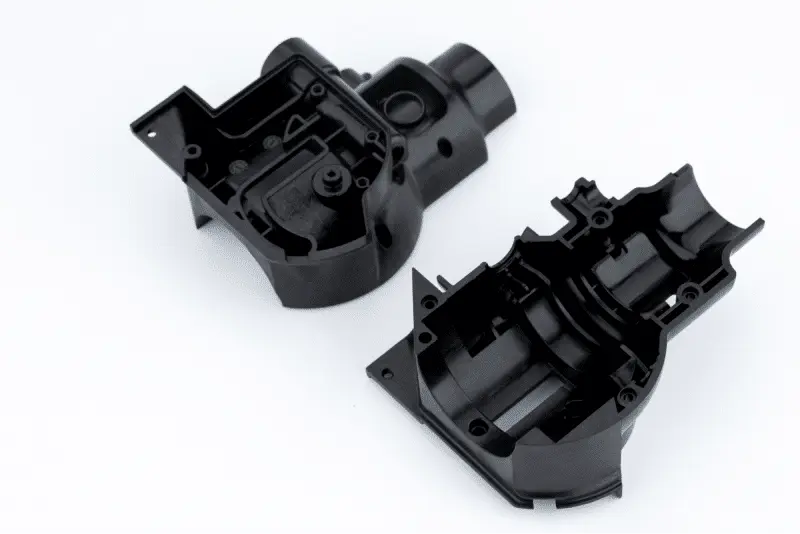
Plastic Injection Molding Quality Standards Guide
Adhere to SPI-A2 surface finishes and ISO 2768-mK tolerances to ensure consistent part quality. Maintain mold temperatures within ±2°C and…
Read more
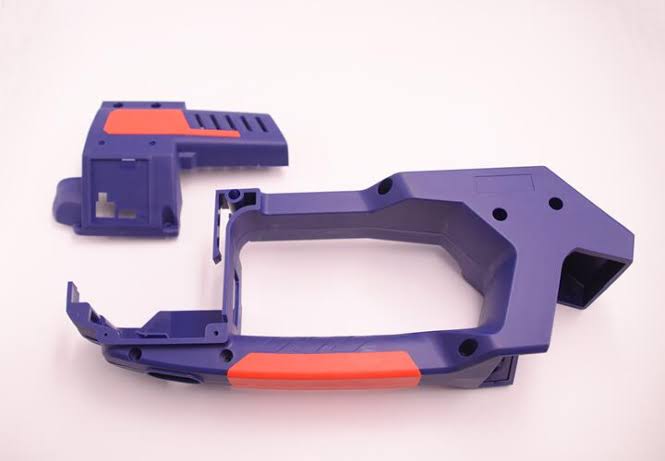
Overmolding vs Insert Molding: Key Differences
Overmolding bonds two plastics sequentially, requiring chemical compatibility and precise thermal control to prevent delamination. Insert molding encapsulates pre-formed metal…
Read more
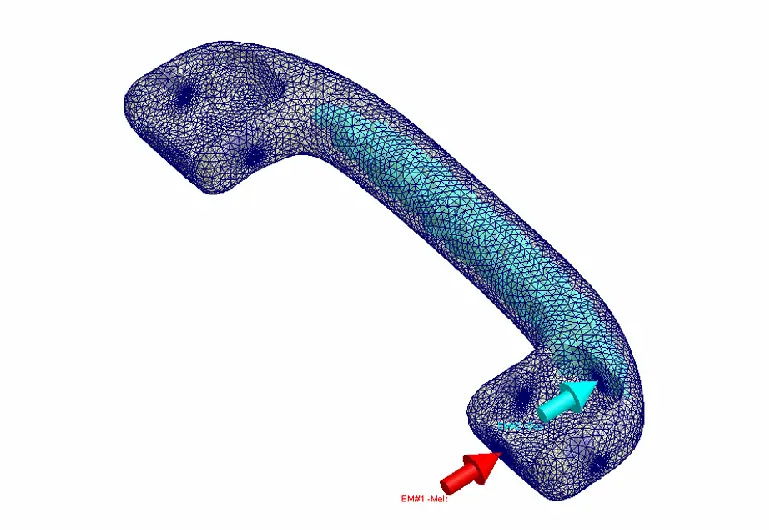
Gas Assist Injection Molding Process: Guide & Benefits
Gas-assist injection molding injects high-pressure nitrogen into semi-molten polymer to create internal voids, reducing material usage by 15–30% while eliminating…
Read more
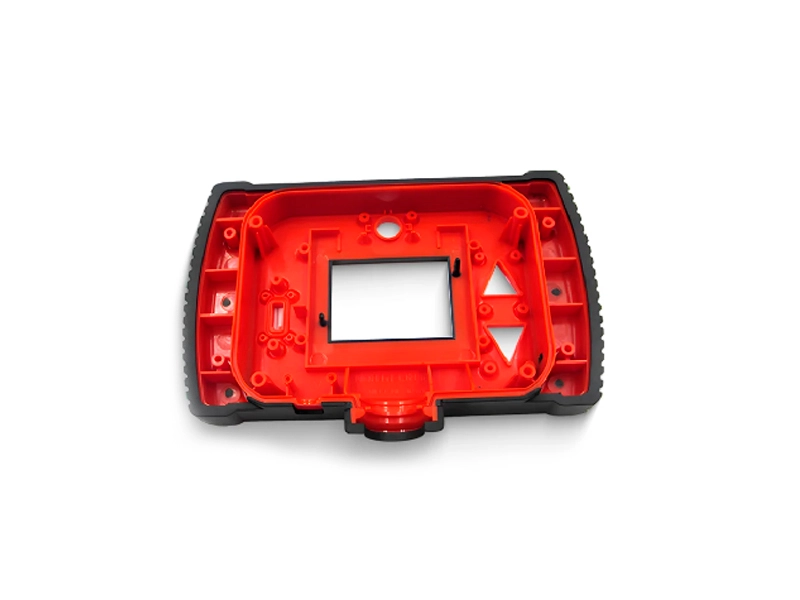
2 Shot Injection Molding Process: Guide & Benefits
Two-shot injection molding bonds two distinct materials in a single cycle, eliminating secondary assembly and reducing labor costs by up…
Read more
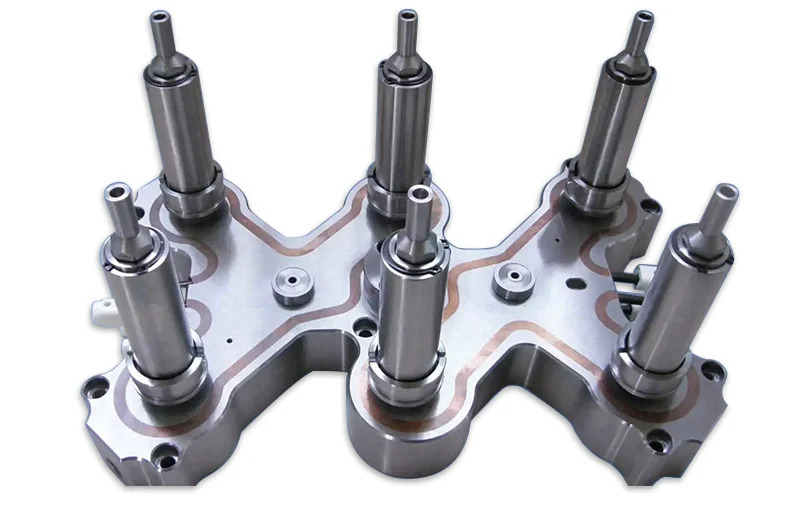
Hot Runner Injection Molding: Pros, Cons & Guide
Hot runner systems eliminate sprue waste and reduce cycle times by 15–20% through direct gate injection, though they require precise…
Read more
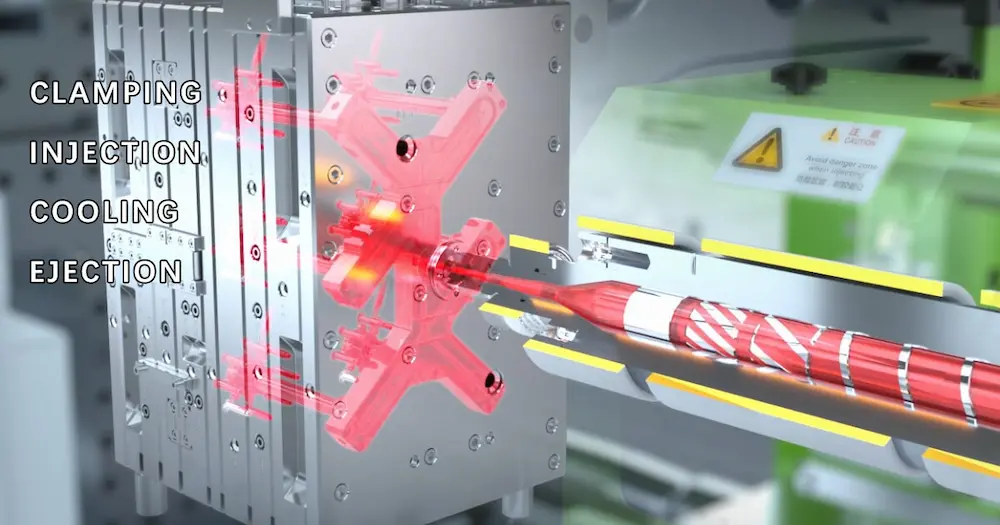
Injection Molding Cycle: Process, Design & Tips
Optimize your injection molding cycle by balancing clamp force, melt temperature, and cooling time to achieve consistent part quality. Target…
Read more