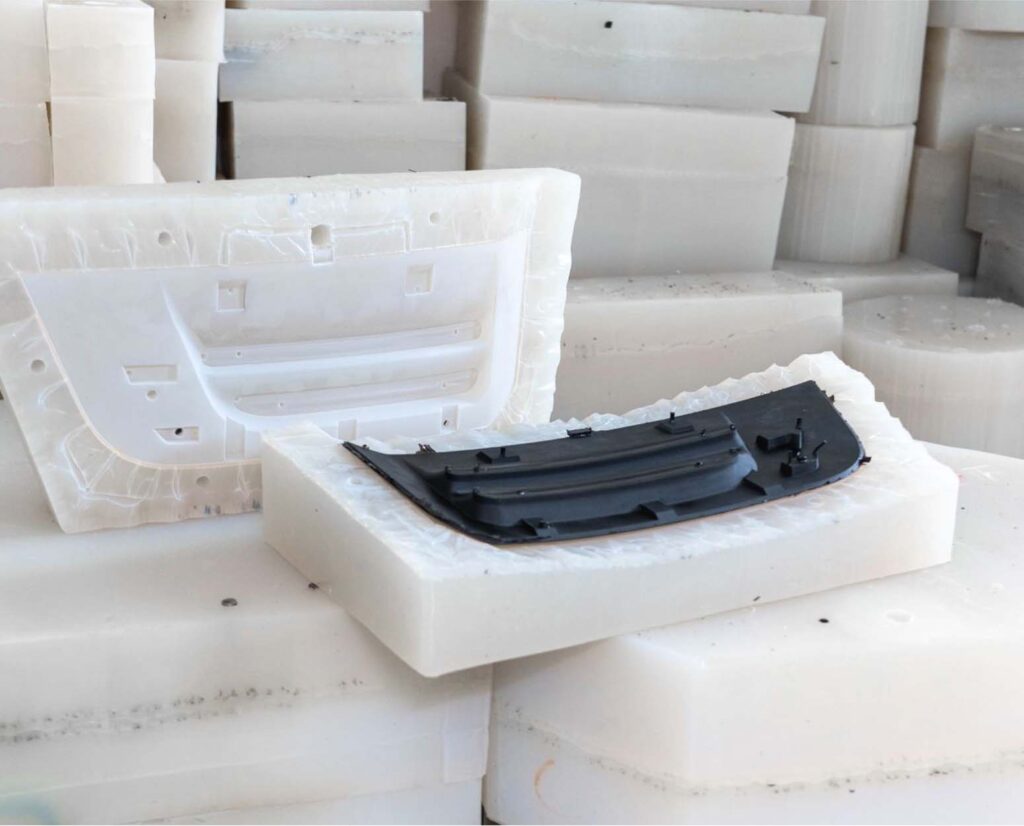
Vacuum casting is a method for producing high-quality prototypes and small-batch parts. It begins with a master model, or pattern, used to create a silicone mold. Molten material is then poured into the cavity and cured, resulting in strong and consistent components.
How Does Vacuum Casting Work?
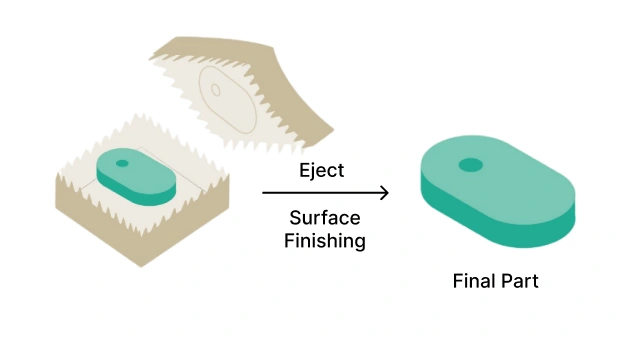
Typically, a master pattern is first made using CNC machining or SLA. A silicone mold is then created, accurately capturing the fine details and textures of the master. Liquid casting material is poured into the mold under vacuum, and once cured, the parts are removed and trimmed. This process produces high-quality, textured, and colored parts one by one.
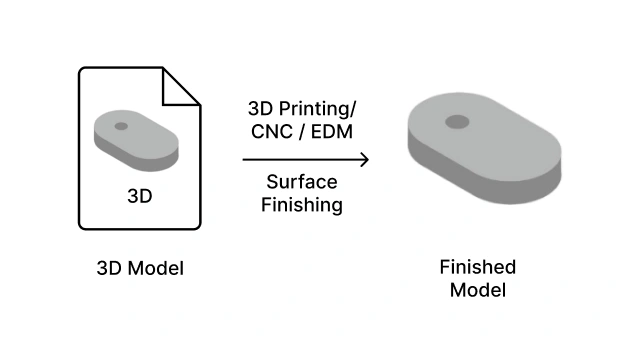
1. Master Model Creation
First, we create an accurate master model of the final part using 3D printing, CNC machining, or EDM. The model is then refined to achieve precise dimensions and a smooth surface, ensuring a high-quality silicone mold.
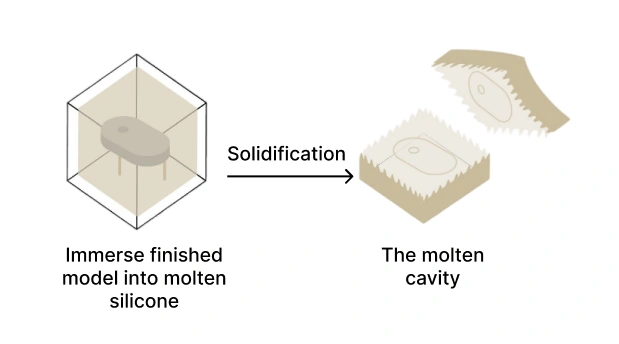
2. Mold Making
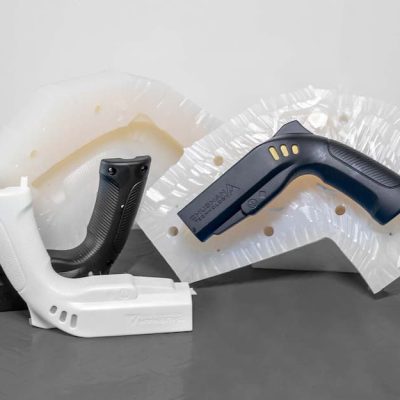
The finished master is embedded in molten silicone, which cures to form the mold cavity. We verify that the mold is clean and captures every required detail before casting begins.
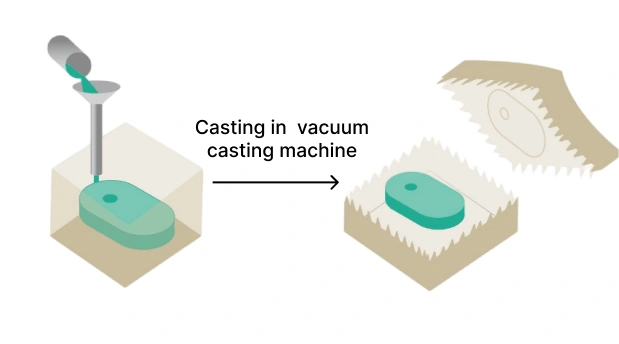
3. Casting
Our casting facility is equipped with advanced, automated vacuum-casting machines that handle molds of various sizes. Their control systems monitor the process continuously, using sensors to adjust parameters such as temperature and curing time in real time.
4. Demolding and Finishing
Once the resin has fully cured, the part is removed from the silicone mold and sent for post-processing. We offer multiple finishing options, including bead blasting, polishing, and painting.
Finishing Options for Vacuum Casting
Vacuum-cast parts can be finished with a range of techniques to achieve the desired look and surface properties. At ProleanTech, we offer multiple finishing options customized to your specific requirements.
Color-textured surfaces
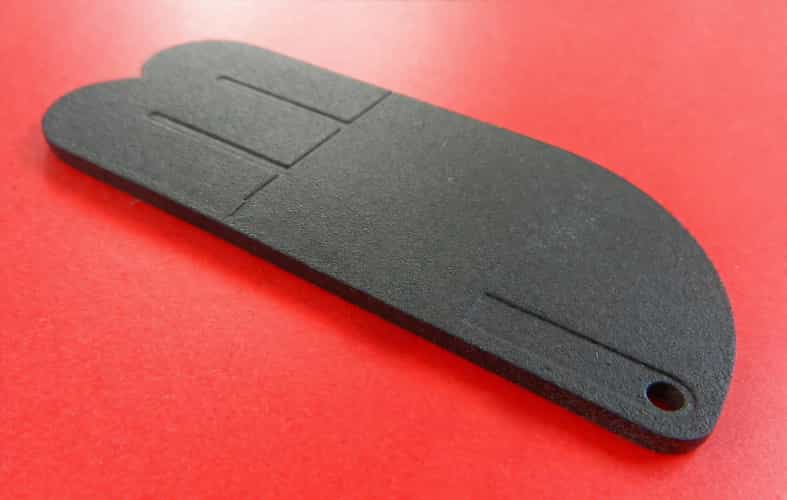
Frosted/Matte Surface
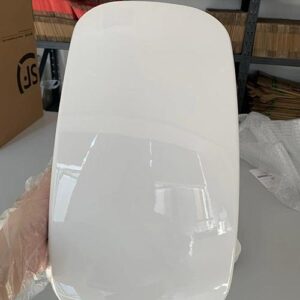
High-gloss Surface
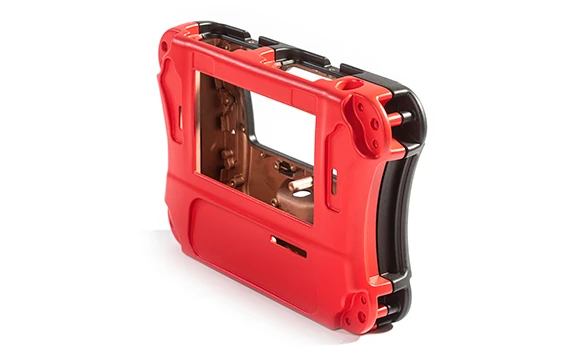
Vacuum Casting Overmold
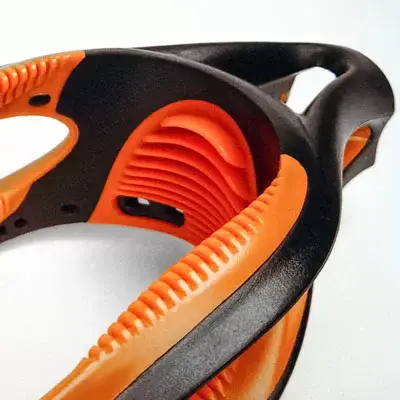
Overmolding is a multi-step vacuum casting technique in which two or more materials are molded together in sequence. It typically involves a two-stage process. SuNPe offers several types of vacuum-cast overmolding, including rigid-to-rubber, metal-to-rigid plastic, metal-to-rubber combinations, and insert overmolding.
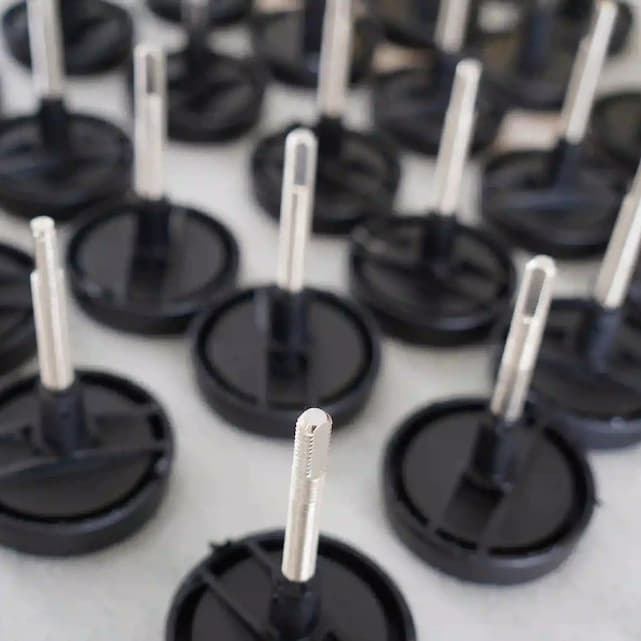
Copper Nut Insert Overmolding
In vacuum casting, copper nuts are pre-positioned in the mold before pouring the resin. This process forms a strong integrated structure, ensuring reliable fastening strength and improved durability for parts requiring frequent assembly.
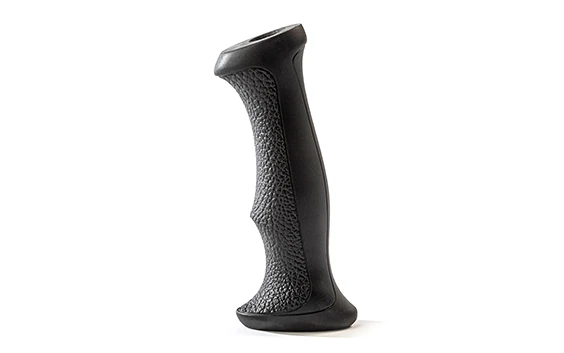
Soft-to-Hard Overmolding
A two-step vacuum casting process where a soft elastomer layer is molded over a rigid substrate. This combination provides improved grip, cushioning, and user comfort, making it ideal for handles, protective housings, and sealing components.
Metal Insert Overmolding
Metal inserts are placed inside the mold and then encapsulated with urethane materials during vacuum casting. This creates a tight bond between metal and plastic, enhancing structural strength, wear resistance, and overall product quality.
You can choose from more than 25 material options for vacuum casting at ProleanTech. We offer a wide range of polyurethane resins and other materials that closely replicate common plastics such as ABS, polypropylene, and nylon. Select the material that best fits your end-use needs, whether you require strength, hardness, flexibility, or impact resistance.
Soft Rubber
For flexible parts, soft-tpuch surfaces, and cushioning.
TPU 8400:Tough, rubbery. For impact-resistant or flexible housings.
Transparent soft rubber T0387: Clear and soft. For protective covers or flexble display components.
Silicone: Handles high temperatures and stys flexible over time.
Food grade silicone: Safe for direct contant with food or skin. Used in kitchenware and medical samples.
Offering a range of different material properties, our PE/PP-like polyurethanes can be used with silicone molds to produce high-quality prototypes or small series of end-use parts.
Key characteristics
Excellent surface and detail, with injection-molded look and feel
Tough and lightweight with a wide range of finishes available
Cost-effective way to produce prototypes or small series of end-use parts
Max part dimensions: 1,900 x 900 x 750 mm (maximum part volume: 10 liters)
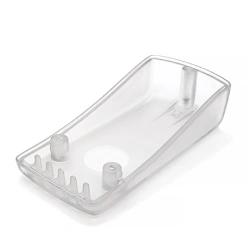
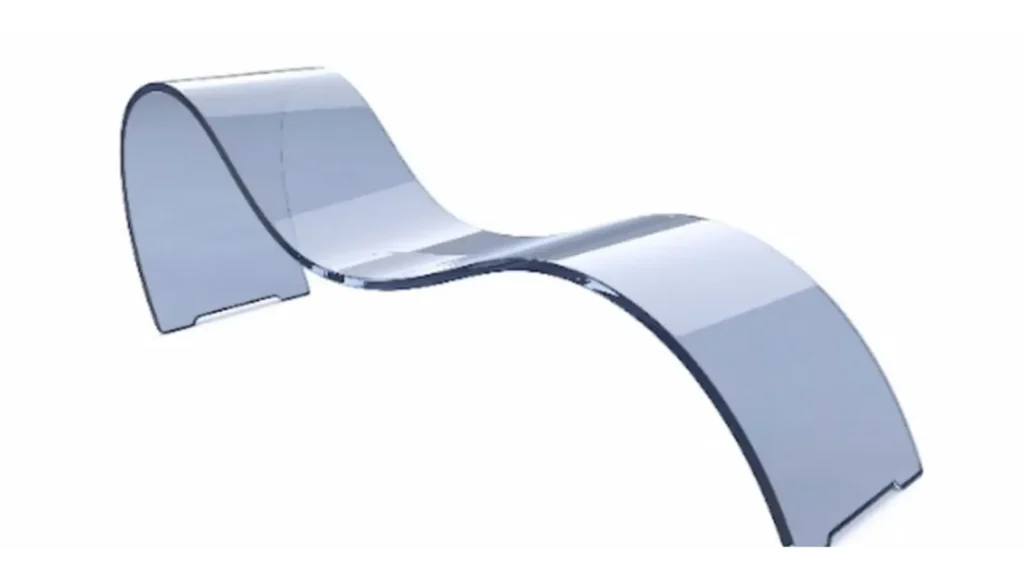
These resins are formulated to replicate the properties of polycarbonate (PC) in vacuum casting applications. They consist of polyol and isocyanate mixed in precise ratios, delivering excellent optical clarity similar to real PC materials.
Benefits:
High impact resistance, allowing parts to withstand stress without cracking
Flexible design capability for a wide range of shapes and sizes
Vacuum casting is commonly used to produce high-quality prototypes and low-volume parts that replicate the look and performance of injection-molded plastics.
Enclosures & Housing Equipment
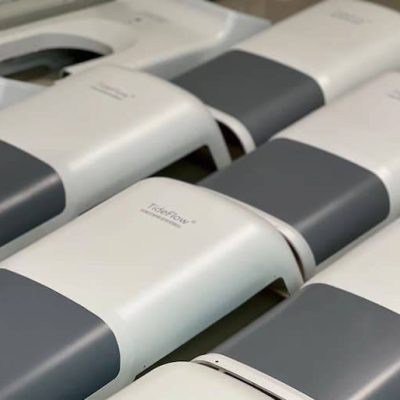
Vacuum casting is widely used in the production of enclosures and housing equipment, offering excellent surface finish and precise detail replication. It is ideal for manufacturing complex geometries and functional prototypes for electronic devices and industrial housings. With a wide range of material options, including rigid and transparent resins, vacuum casting ensures durability, dimensional accuracy, and aesthetic quality while significantly reducing tooling costs and lead times.
In the medical industry, vacuum casting enables the rapid production of high-precision prototypes and low-volume parts for medical devices and equipment. The process supports intricate designs and smooth surface finishes, which are essential for ergonomic and functional testing. With biocompatible-like materials and strict quality control, vacuum casting helps accelerate product development cycles while maintaining reliability and performance standards.
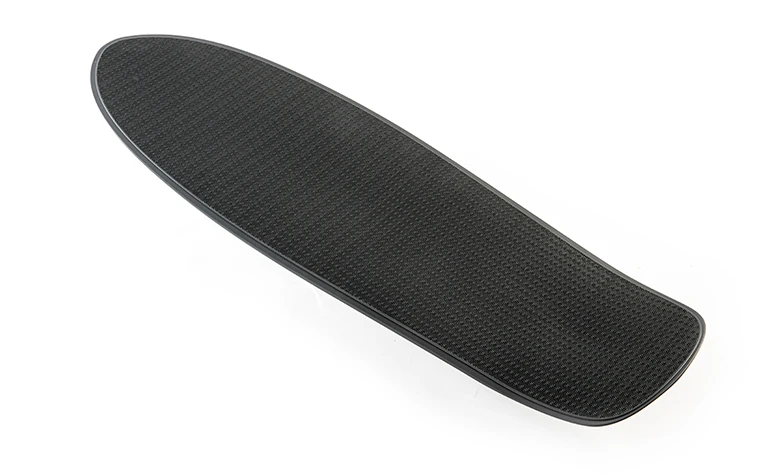
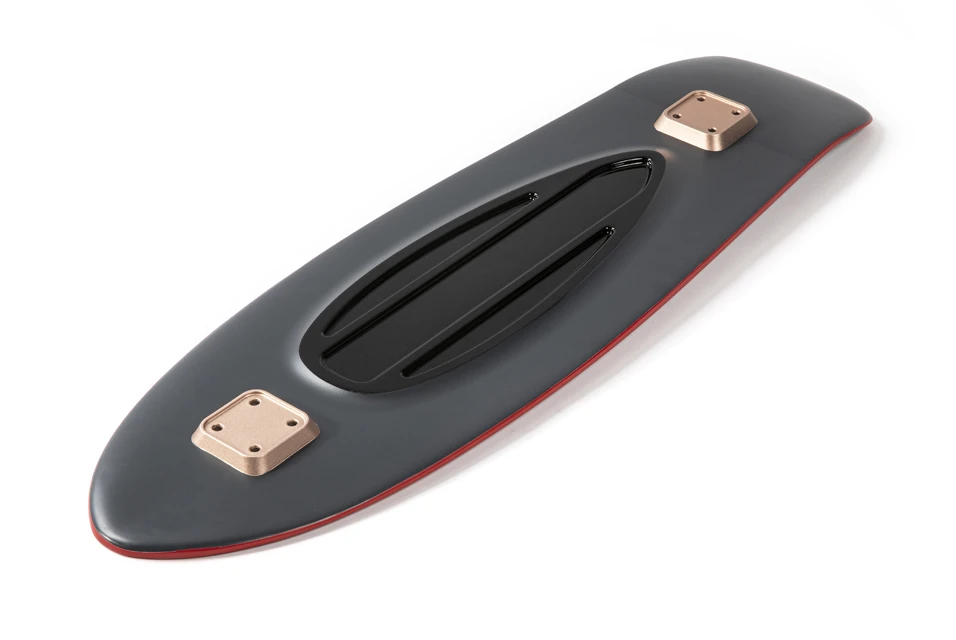
Vacuum casting is an effective solution for developing skateboard equipment, including decks, wheels, and protective housings for electric skateboards. It enables rapid prototyping and customization with high-quality surface finishes and durable materials. Designers can quickly iterate product designs and test performance under real conditions. This process reduces development time and cost while ensuring flexibility in design and production for both standard and customized skateboard components.
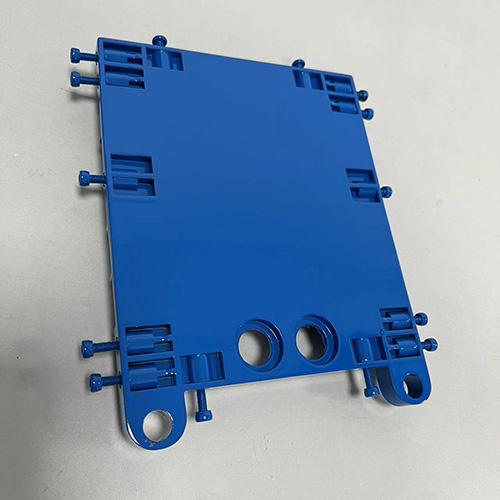
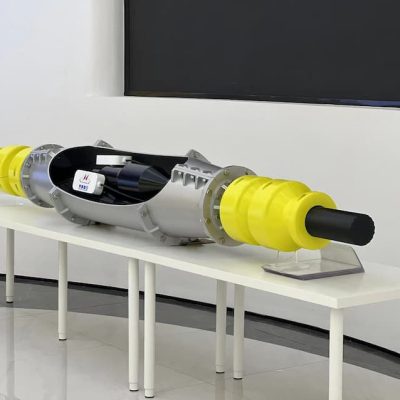
Vacuum casting is suitable for producing structural equipment components that require strength, stability, and dimensional consistency. It allows engineers to validate designs and test mechanical performance before mass production. The process supports both rigid and elastomer materials, making it versatile for various load-bearing and functional applications. Additionally, it offers a cost-effective solution for small batch production without compromising quality.