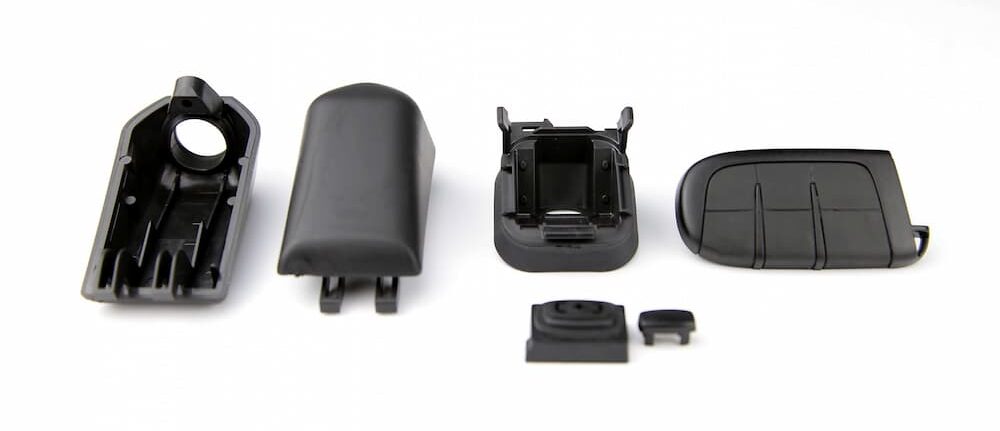
Indoor Sensor Enclosures
Compact housings for detectors and monitors, planned around sensor fit, venting and connector access.
Discuss Indoor HousingsCustom Plastic Applications
Enclosures for sensors and detectors, designed around the measurement itself—signal paths, connector position, sealing and mounting—so the housing never degrades the reading.
Sensor fit · Sealing approach · Mounting interfaces
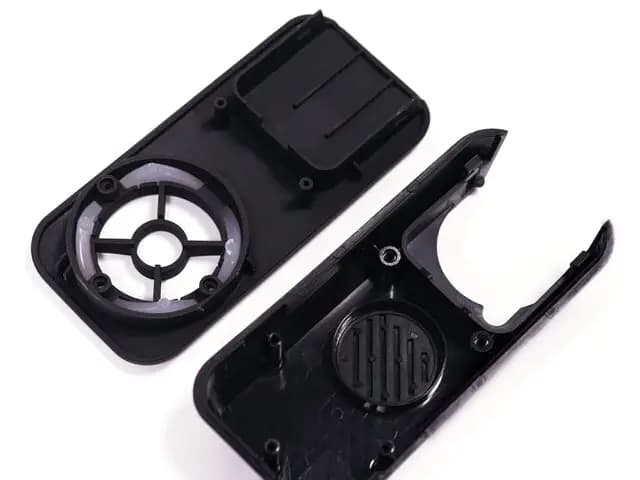
Sensor Housing
Small Parts, Exacting Duties
The housing protects electronics without interfering with what is sensed. Openings, walls and seals are planned together with the sensor and its environment.
Compact housings for detectors and monitors, planned around sensor fit, venting and connector access.
Discuss Indoor Housings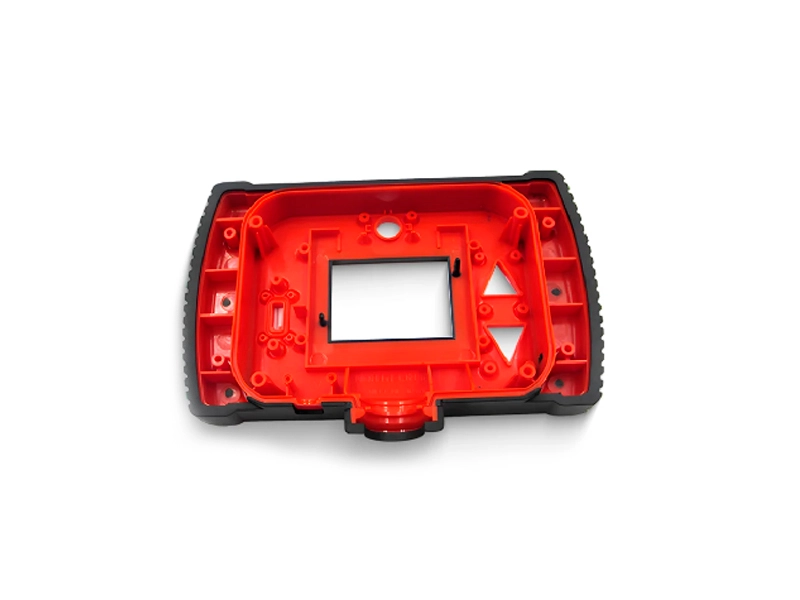
Sealed enclosures for external sensing, reviewed around splash, dust and UV exposure.
Discuss Outdoor Housings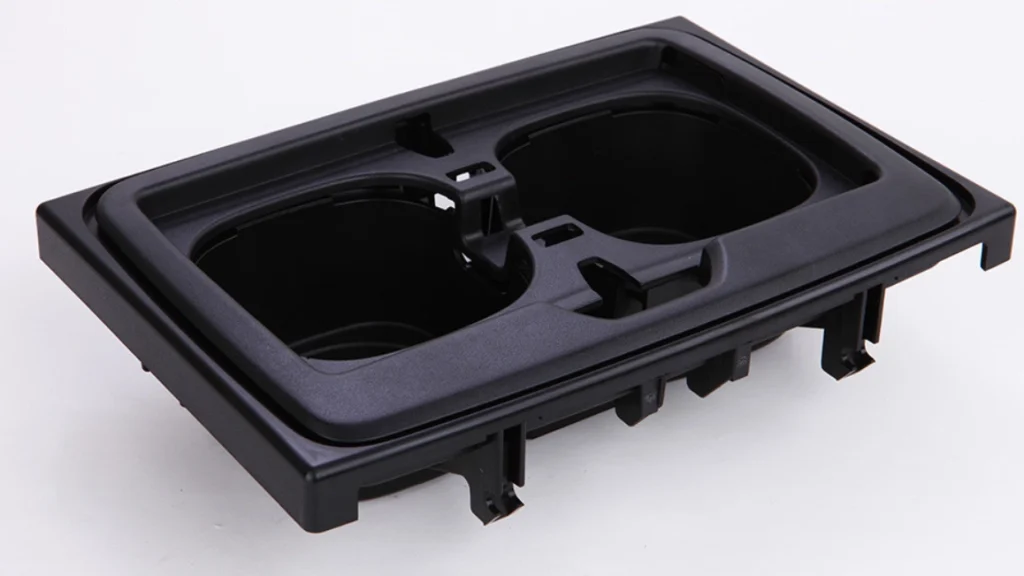
Brackets, aims and fixing points that keep the sensor oriented exactly where the reading needs it.
Discuss Mounting InterfacesProtect Without Interfering

Dust and splash exposure drive sealing approach, wall joins and any venting strategy.

Lens, aperture and port geometry are reviewed against the sensing principle itself.

Operating range and dimensional stability protect calibration across seasons.

Fixing points and aim adjustment keep the sensor positioned where the reading needs it.
Design Review, Before Tooling
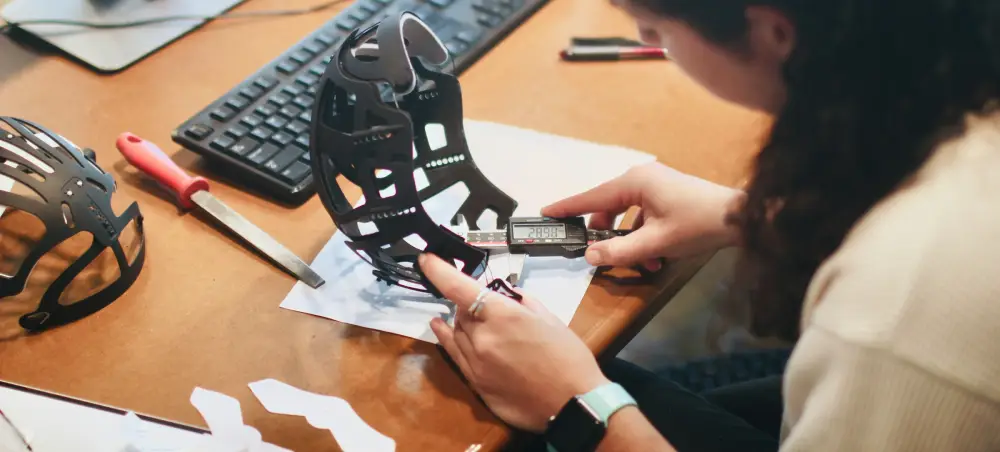
Technical image placeholder only. Review scope depends on the part, material and intended process.
Review wall consistency and transitions to identify areas that may complicate molding or surface quality.
Review support geometry and fastener features in relation to adjoining walls, assembly loads and tooling.
Consider release direction, surface texture and the draft needed for the selected geometry and tooling approach.
Discuss cosmetic split placement, mating interfaces and fastening features before tooling decisions are finalized.
From the Project Library
Project placeholders

OVER LUP developed a portable reading device designed to help users read printed content more easily through an integrated magnification system. VONTOC has supported LUP with the manufacturing…
Engineering Resources

Compare UV, impact and clarity behaviour of candidate housings resins.
Compare Materials
Review walls, ribs and sealing faces before tooling a housing.
Explore Design Tips
Understand warp and sink risks around thin sealing and lens areas.
Explore TroubleshootingLetu2019s Review Your Design
Share your design, requirements or concept with our team.

Thank you for contacting VONTOC. Your inquiry has been submitted successfully.
For your records, a confirmation has been prepared for the email address you provided.