
High Surface Detail
Capture fine features and surface appearance from a carefully prepared master pattern.
Capabilities / Plastic prototyping / Vacuum casting
VACUUM CASTING SERVICES
Rapid production of detailed, functional plastic prototypes and low-volume parts using silicone molds and polyurethane casting resins.
From Prototype to Production
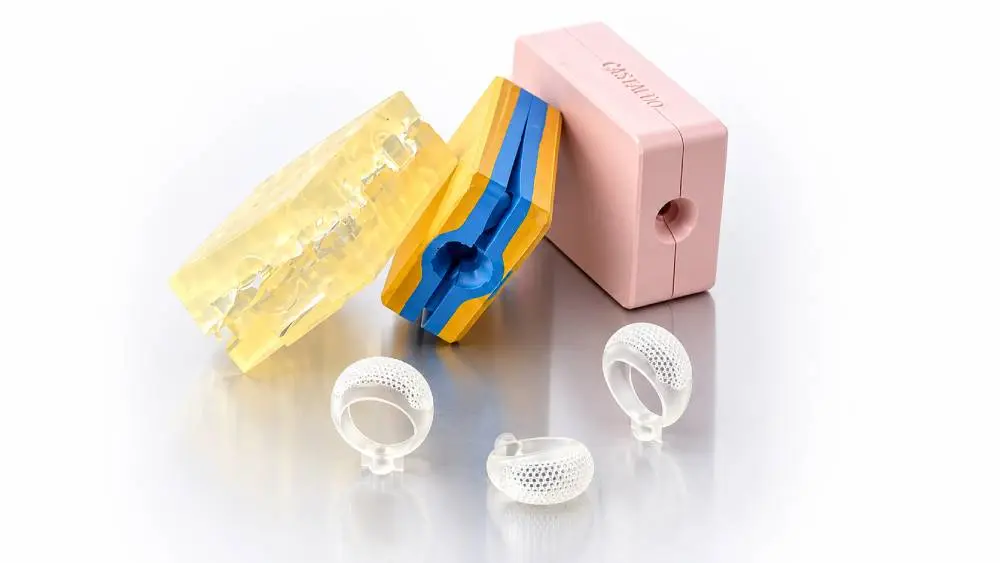
PROCESS / VACUUM CASTING Parts + tooling
WHY VACUUM CASTING
A practical bridge between your design and the next manufacturing decision.
Capture fine features and surface appearance from a carefully prepared master pattern.

Evaluate a small series of parts before investing in production tooling.

Explore polyurethane resin families selected around your part’s intended use.

Bring physical parts into design reviews to assess fit, form and selected functions.
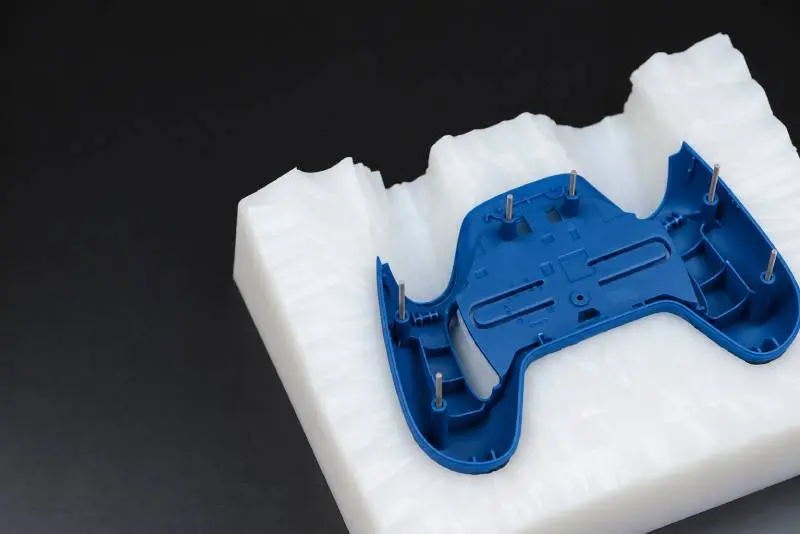
A master pattern defines the geometry and surface of the silicone mold.
THE PROCESS, EXPLAINED
A master pattern is used to create a silicone mold. Polyurethane casting resin is cast under vacuum to help reduce trapped air. Once cured, parts are demolded and finished.
The process suits detailed prototypes and low-volume evaluation before committing to production tooling.
Choose around your requirements.
Compare geometry, required actual material properties, quantity and tooling investment. CNC may suit machinable stock materials; injection molding may suit repeat production. No single process is best for every part.
PROJECT-SPECIFIC CAPABILITIES
Typical lead time
7–15 days
Recommended quantity
1–50 pcs per silicone mold
Part size
Up to 1,500 × 800 × 600 mm
Available finishes
Polishing, painting and texture
Material options
ABS-like, PC-like, PP-like, clear and elastomer grades
Feasibility and confirmed specifications follow review of your CAD files, material, finish and quantity requirements. The details above are not confirmed production specifications.
MATERIAL & SURFACE SELECTION
“Like” categories refer to casting polyurethane families, not identical injection-molded thermoplastics. Suitability depends on the selected resin and your application requirements.
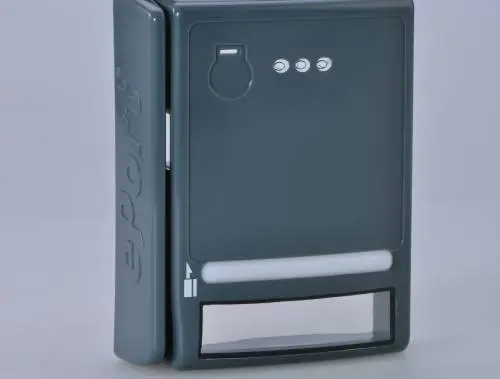
Consider for enclosure concepts and assembly reviews where a rigid casting is appropriate.

Consider for cover and housing evaluations where impact resistance and stiffness are required.
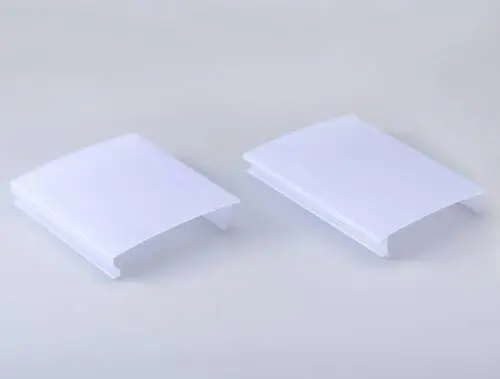
Explore for concepts seeking a more compliant feel; PP-like resins suit hinges and snap-fit features.

Explore visual windows and appearance models; clear resins polish to good optical clarity.
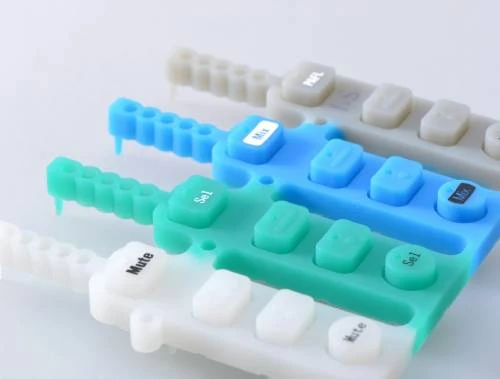
Consider for soft-touch concepts, sleeves and grips; shore hardness is selected around the intended use.
Discuss the finish
Texture, color and surface appearance are matched against the master pattern and intended use. Common options include gloss polishing, matte texturing and color-matched painting.
FROM DESIGN TO PHYSICAL PART
Physical parts for product development and low-volume evaluation, selected around your requirements.
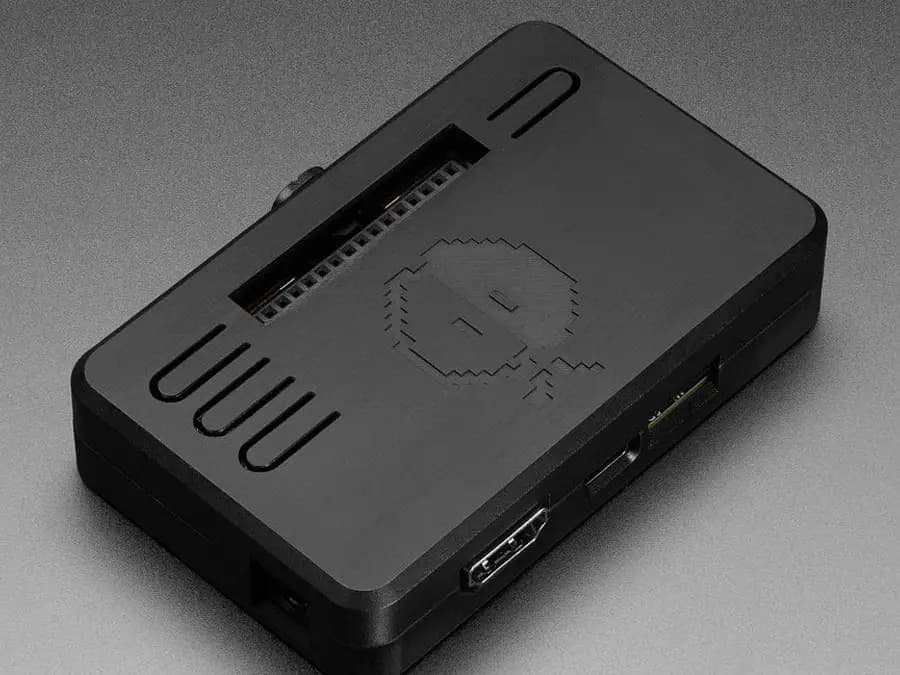
Review packaging, component clearance and enclosure assembly.
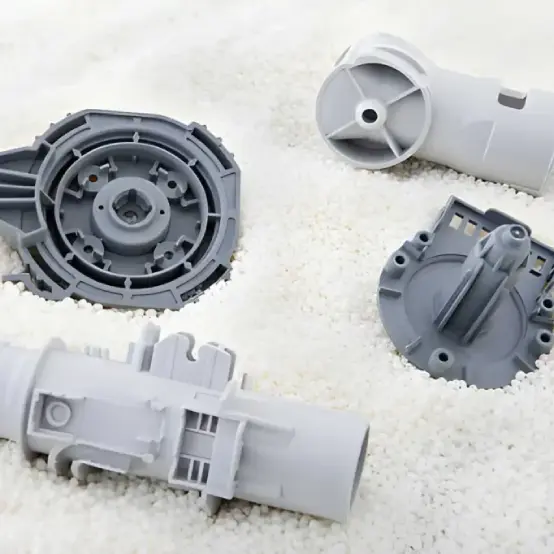
Evaluate mounting interfaces and integration around a sensor.
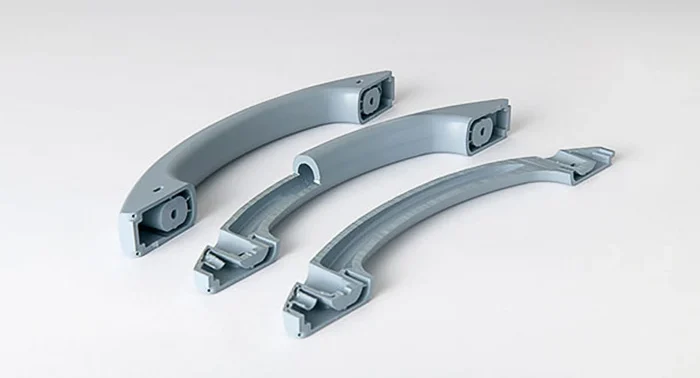
Assess product presentation, pocket geometry and fit.
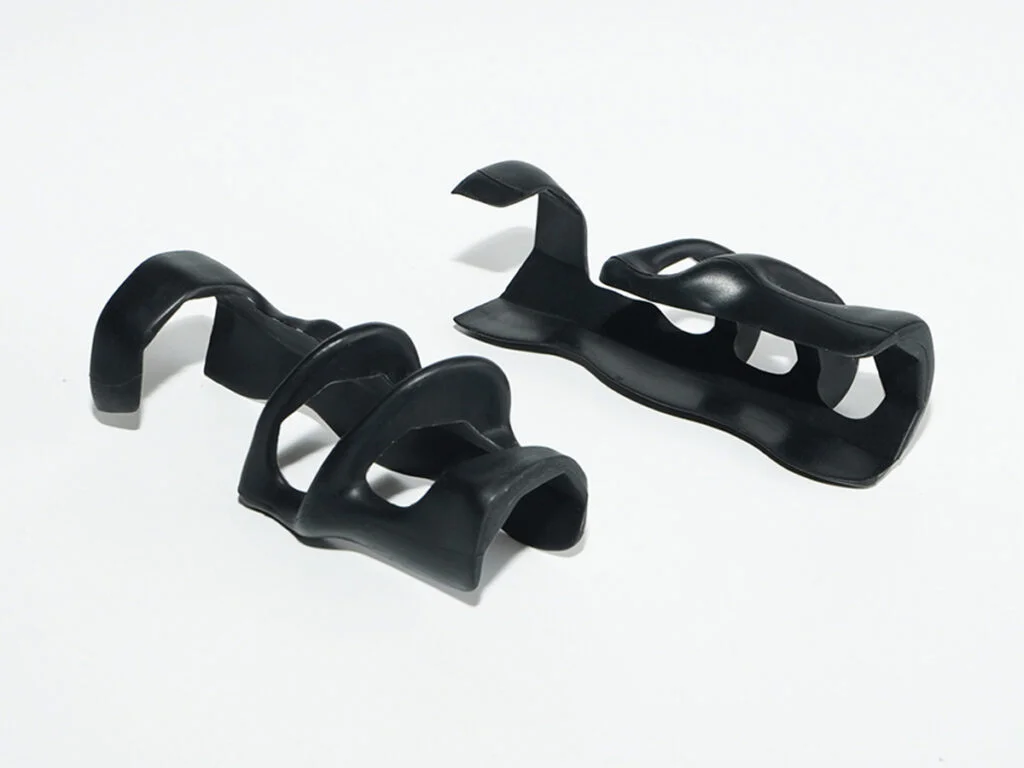
Check replacement geometry against an existing assembly.
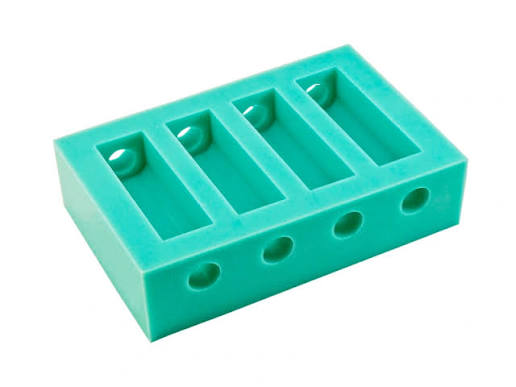
Bring form, handling and assembly details into design reviews.
HOW YOUR PARTS ARE MADE
Prepare a master pattern from the reviewed design. Its geometry and surface influence the resulting cast parts.
Form a silicone mold around the master, then open it to remove the pattern and create the casting cavity.
Mix and cast the selected polyurethane resin under vacuum to help reduce trapped air, then allow it to cure.
Demold the cured parts, remove gates and flash, apply agreed finishing and inspect against reviewed requirements.
SELECT THE RIGHT PROCESS
Start with the part’s purpose, not a preferred process. Balance material requirements, geometry and production needs against the tooling investment.
Selection criteria
Vacuum Casting
CNC Machining
Injection Molding
Tooling Cost
Silicone molds generally require lower upfront tooling investment than production injection molds, but have a limited useful life.
Typically no dedicated mold. Programming, workholding and fixtures still contribute to setup cost.
Generally higher upfront tooling investment. Tool design is a significant part of the production decision.
Production Volume
Suited to low-volume prototypes and evaluation parts. Mold life and geometry influence the practical quantity.
Suited to prototypes and low volumes; machining effort and setup influence scaling.
Well suited to repeat production once the mold, material and process are established.
Surface Detail
Reproduces detail from the master; the mold, resin and finishing influence the result.
Surface depends on tool paths, tool access and finishing. Cutting-tool access limits some geometry.
Detail depends on mold design, mold surface, resin and processing conditions.
Material Flexibility
Polyurethane casting families can approximate some behaviors, but are not identical to production thermoplastics.
Uses actual machinable stock materials. Choice is limited by stock availability and machinability.
Uses moldable grades, including molding-grade thermoplastics, selected for the part and process.
Typical Use Cases
Detailed appearance models, assembly evaluation and low-volume design prototypes.
Functional prototypes and low-volume parts where actual stock material properties are required.
Repeat production parts where tooling investment and a molding-grade material are appropriate.
These are qualitative process considerations, not confirmed project specifications. No one process is always superior; final selection follows review of your part and requirements.
PROJECT QUESTIONS
The details that help you plan your next prototype.
A single silicone mold typically yields 15–25 parts, so vacuum casting is most economical from 1 to around 50 pcs. Share your intended quantity so mold count and cost can be planned.
Polyurethane categories include ABS-like, PC-like, PP-like, transparent and flexible elastomer families. Suitability is resin-specific; these are not identical to injection-molded thermoplastics.
Most projects ship in 7–15 days once files and resin are approved. Larger parts, painted finishes and higher quantities can extend this; your confirmed schedule follows review of your CAD files, quantity, selected resin and finish requirements.
Share your 3D CAD files, desired quantity, material and finish goals, and any relevant requirements. These details support manufacturing review and quotation.
LET’S REVIEW YOUR DESIGN
Share your 3D files and project requirements for manufacturing review and a quotation tailored to your part.

Thank you for contacting VONTOC. Your inquiry has been submitted successfully.
For your records, a confirmation has been prepared for the email address you provided.