
Capabilities / Plastic Injection Molding
Injection Molding & Mold Making
Custom Plastic Injection Molding
From mold development to production, we help turn your plastic part designs into manufacturable components.
China-based manufacturing · Engineering support
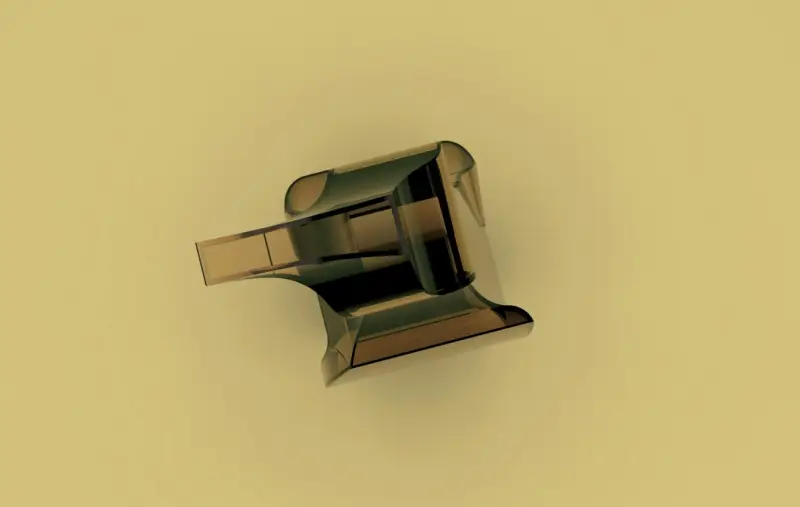
FROM MOLD DEVELOPMENT TO PRODUCTION
Design for Manufacturability
Improve Your Part Before Production
Review the details that influence how a plastic part can be molded.
Interactive review · select a numbered feature

Six design considerations · one part, connected decisions
Not an engineering drawing
01 / Selected Design Consideration
Wall Thickness
Design Consideration
Review uniform wall sections and transitions across the part.
Common Risk
Local thickness variations can contribute to sink marks and warpage, depending on the material and process.
Possible Improvement
Consider coring thick areas and discussing transitions, subject to part geometry, material and tooling review.
Same checklist runs inside every VONTOC DFM review.
02 / Selected Design Consideration
Draft Angles
Design Consideration
Review draft on faces that release against the mold surface.
Common Risk
Insufficient draft can cause drag marks, sticking and ejection issues, especially on textured surfaces.
Possible Improvement
Agree draft per surface and texture depth before tooling, subject to appearance and function review.
Same checklist runs inside every VONTOC DFM review.
03 / Selected Design Consideration
Ribs & Bosses
Design Consideration
Review rib thickness, boss diameter and wall relationships for the intended loads and fasteners.
Common Risk
Thick rib bases and oversized bosses can create sink marks, voids and slow cooling.
Possible Improvement
Balance rib and boss proportions against the nominal wall, subject to structural and tooling review.
Same checklist runs inside every VONTOC DFM review.
04 / Selected Design Consideration
Parting Line
Design Consideration
Review where the mold halves meet and how the parting line crosses visible and functional surfaces.
Common Risk
Parting line placement can affect appearance, flash control and dimensioning of critical features.
Possible Improvement
Discuss preferred parting line positions early, subject to tooling approach and appearance requirements.
Same checklist runs inside every VONTOC DFM review.
05 / Selected Design Consideration
Sink Mark Risk
Design Consideration
Review areas where thick sections, ribs or bosses meet visible surfaces.
Common Risk
Local mass can produce sink marks on appearance surfaces after molding.
Possible Improvement
Consider section reduction, coring or texture strategies, subject to appearance and strength review.
Same checklist runs inside every VONTOC DFM review.
06 / Selected Design Consideration
Undercut
Design Consideration
Review undercuts and side features that block direct part ejection.
Common Risk
Undercuts require side actions or lifters in the tool, adding complexity, cost and potential witness lines.
Possible Improvement
Consider parting-line placement, drafts or part splits that remove the undercut, subject to function and tooling review.
Same checklist runs inside every VONTOC DFM review.
Material Explorer
Find the Right Material for Your Part
Start with the application. Review the exact resin against your geometry, environment and requirements.
Consider your priorities
01 / Selected Resin Family
ABS
Typical Applications
May be considered for housings and general-purpose enclosures.
Key Properties
Can offer a useful balance of toughness, rigidity and surface appearance.
Limitations
Heat, chemical and outdoor exposure need grade-specific review.
Selection Considerations
Confirm the exact resin, required performance, appearance and processing suitability for your part.
Material guides and comparisons live in the resource center.
02 / Selected Resin Family
Acetal/POM (Delrin)
Typical Applications
May be considered for gears, bearings and small moving components.
Key Properties
Can offer low friction, good stiffness and dimensional stability.
Limitations
UV and strong acid exposure need grade-specific review.
Selection Considerations
Confirm grade, filler and tolerance expectations for moving parts.
Material guides and comparisons live in the resource center.
03 / Selected Resin Family
ASA
Typical Applications
May be considered for outdoor housings and exposed trim.
Key Properties
Can offer weatherability with a molded appearance close to ABS.
Limitations
Impact and chemical performance need grade-specific review.
Selection Considerations
Confirm UV exposure, color and surface finish expectations.
Material guides and comparisons live in the resource center.
04 / Selected Resin Family
HDPE
Typical Applications
May be considered for containers, caps and functional parts.
Key Properties
Can offer toughness, chemical resistance and low cost.
Limitations
Stiffness and temperature range need review.
Selection Considerations
Confirm grade and environmental stress cracking requirements.
Material guides and comparisons live in the resource center.
05 / Selected Resin Family
High Impact Polystyrene (HIPS)
Typical Applications
May be considered for low-cost housings and internal parts.
Key Properties
Can offer easy processing and reasonable impact performance.
Limitations
Outdoor and chemical exposure need review.
Selection Considerations
Confirm appearance and impact expectations for the application.
Material guides and comparisons live in the resource center.
06 / Selected Resin Family
LDPE
Typical Applications
May be considered for flexible caps, seals and packaging parts.
Key Properties
Can offer flexibility and good chemical resistance.
Limitations
Low stiffness and temperature limits need review.
Selection Considerations
Confirm flexibility and load requirements for the part.
Material guides and comparisons live in the resource center.
07 / Selected Resin Family
Nylon - Glass Filled & 6/6
Typical Applications
May be considered for structural components and wear parts.
Key Properties
Can offer strength, stiffness and wear resistance.
Limitations
Moisture uptake affects dimensions and needs review.
Selection Considerations
Confirm conditioning state and tolerance strategy.
Material guides and comparisons live in the resource center.
08 / Selected Resin Family
PBT
Typical Applications
May be considered for electrical and automotive components.
Key Properties
Can offer good electrical properties and heat resistance.
Limitations
Notch sensitivity and hydrolysis need review.
Selection Considerations
Confirm environment and mechanical loading details.
Material guides and comparisons live in the resource center.
09 / Selected Resin Family
PC/ABS
Typical Applications
May be considered for housings needing toughness and appearance.
Key Properties
Can offer a balance of impact strength, rigidity and surface quality.
Limitations
Chemical exposure needs grade-specific review.
Selection Considerations
Confirm impact, appearance and regulatory expectations.
Material guides and comparisons live in the resource center.
10 / Selected Resin Family
PEEK
Typical Applications
May be considered for high-temperature and high-performance components.
Key Properties
Can offer outstanding heat and chemical resistance.
Limitations
Cost and processing window need project review.
Selection Considerations
Confirm operating temperature and budget envelope.
Material guides and comparisons live in the resource center.
11 / Selected Resin Family
PEI (Ultem)
Typical Applications
May be considered for heat-resistant, flame-retardant components.
Key Properties
Can offer high temperature performance and inherent flame resistance.
Limitations
Chemical and stress cracking exposure need review.
Selection Considerations
Confirm temperature, flammability and chemical requirements.
Material guides and comparisons live in the resource center.
12 / Selected Resin Family
PET
Typical Applications
May be considered for transparent and food-contact candidates.
Key Properties
Can offer clarity, strength and barrier properties.
Limitations
Crystallization and heat behavior need review.
Selection Considerations
Confirm clarity, contact and temperature requirements.
Material guides and comparisons live in the resource center.
13 / Selected Resin Family
PMMA (Acrylic)
Typical Applications
May be considered for lenses, light guides and transparent trim.
Key Properties
Can offer optical clarity and weatherability.
Limitations
Impact and solvent exposure need review.
Selection Considerations
Confirm optical and scratch requirements.
Material guides and comparisons live in the resource center.
14 / Selected Resin Family
PBT Glass-Filled
Typical Applications
May be considered for stiff, heat-resistant structural parts.
Key Properties
Can offer increased stiffness and dimensional stability.
Limitations
Weld line and surface appearance need review.
Selection Considerations
Confirm load paths and appearance constraints.
Material guides and comparisons live in the resource center.
15 / Selected Resin Family
PEEK Glass-Filled
Typical Applications
May be considered for extreme-service structural components.
Key Properties
Can offer very high strength and temperature capability.
Limitations
Cost and machining of details need review.
Selection Considerations
Confirm service conditions justify the material class.
Material guides and comparisons live in the resource center.
16 / Selected Resin Family
Polycarbonate
Typical Applications
May be considered for transparent or impact-resistant housings.
Key Properties
Can offer clarity and high impact strength.
Limitations
Chemical and stress cracking exposure need review.
Selection Considerations
Confirm impact, UV and chemical requirements.
Material guides and comparisons live in the resource center.
17 / Selected Resin Family
Polycarbonate Glass-Filled
Typical Applications
May be considered for pulleys and stiff medical components.
Key Properties
Can offer added stiffness and heat resistance over plain polycarbonate.
Limitations
Notch sensitivity and flow direction need review.
Selection Considerations
Confirm load paths and appearance before selecting GF grades.
Material guides and comparisons live in the resource center.
18 / Selected Resin Family
Polyethylene
Typical Applications
May be considered for films, bags, insulation and toys.
Key Properties
Can offer flexibility, chemical resistance and low cost.
Limitations
Stiffness and creep under load need review.
Selection Considerations
Confirm density grade and application requirements.
Material guides and comparisons live in the resource center.
19 / Selected Resin Family
Polypropylene
Typical Applications
May be considered for containers, caps and living hinges.
Key Properties
Can offer fatigue resistance and easy processing.
Limitations
UV exposure and low-temperature brittleness need review.
Selection Considerations
Confirm hinge cycles and environmental exposure.
Material guides and comparisons live in the resource center.
20 / Selected Resin Family
PPA
Typical Applications
May be considered for automotive, oil/gas and plumbing parts.
Key Properties
Can offer strength retention at elevated temperatures.
Limitations
Cost and moisture handling need review.
Selection Considerations
Confirm continuous use temperature and media contact.
Material guides and comparisons live in the resource center.
21 / Selected Resin Family
PPO
Typical Applications
May be considered for instrument covers and electrical parts.
Key Properties
Can offer dimensional stability and moisture resistance.
Limitations
Solvent exposure and flow behavior need review.
Selection Considerations
Confirm electrical and enclosure requirements.
Material guides and comparisons live in the resource center.
22 / Selected Resin Family
PPS
Typical Applications
May be considered for insulators, membranes and harsh-media parts.
Key Properties
Can offer outstanding chemical and heat resistance.
Limitations
Brittleness and cost need project review.
Selection Considerations
Confirm media exposure and mechanical loads.
Material guides and comparisons live in the resource center.
23 / Selected Resin Family
PPSU
Typical Applications
May be considered for automotive, aerospace and plumbing parts.
Key Properties
Can offer steam and high-temperature capability without additives.
Limitations
Cost and elevated mold-temperature needs require review.
Selection Considerations
Confirm sterilization or hot-water exposure.
Material guides and comparisons live in the resource center.
24 / Selected Resin Family
PVC
Typical Applications
May be considered for medical containers, profiles and cable parts.
Key Properties
Can offer versatility across rigid and flexible grades.
Limitations
Plasticizer migration and heat stability need review.
Selection Considerations
Confirm rigid or flexible requirement and contact rules.
Material guides and comparisons live in the resource center.
25 / Selected Resin Family
Rubber
Typical Applications
May be considered for seals, O-rings and cushioning parts.
Key Properties
Can offer elasticity and damping across durometers.
Limitations
Compression set and oil exposure need grade review.
Selection Considerations
Confirm durometer and sealing requirements; rubber molding is a separate process.
Material guides and comparisons live in the resource center.
26 / Selected Resin Family
SAN (AS)
Typical Applications
May be considered for clear containers and optical parts.
Key Properties
Can offer clarity and stiffness above general-purpose polystyrene.
Limitations
Impact and chemical exposure need review.
Selection Considerations
Confirm transparency and solvent contact.
Material guides and comparisons live in the resource center.
27 / Selected Resin Family
Silicone
Typical Applications
May be considered for medical, food-safe and sealing parts.
Key Properties
Can offer a wide temperature range and lasting flexibility.
Limitations
Typically processed outside standard thermoplastic molding; cost differs.
Selection Considerations
Confirm durometer, certification and liquid silicone feasibility.
Material guides and comparisons live in the resource center.
28 / Selected Resin Family
Thermoplastic Elastomer (TPE)
Typical Applications
May be considered for flexible grips and soft-touch parts.
Key Properties
Can combine rubber-like feel with thermoplastic processing.
Limitations
Bonding to substrates and abrasion need review.
Selection Considerations
Confirm Shore hardness and overmold pairing.
Material guides and comparisons live in the resource center.
29 / Selected Resin Family
TPU
Typical Applications
May be considered for protective cases, seals and flexible hinges.
Key Properties
Can offer toughness, abrasion and oil resistance.
Limitations
Heat deflection and moisture uptake need review.
Selection Considerations
Confirm hardness and flex-life requirements.
Material guides and comparisons live in the resource center.
30 / Selected Resin Family
TPV
Typical Applications
May be considered for automotive seals and weather-resistant parts.
Key Properties
Can offer elastomeric behavior with recycling-friendly processing.
Limitations
Compression set and mold swell need review.
Selection Considerations
Confirm outdoor sealing and clamping requirements.
Material guides and comparisons live in the resource center.
Material availability and processing suitability are confirmed against your project requirements.
Resin families are general guidance, not specific grades or a ranking. Exact grade, sourcing and delivery route are agreed during project review.
Finishing & Printing Explorer
Customize the Look and Function of Your Parts
Discuss appearance, identification and assembly needs at the right areas of your design.
Candidate options · availability confirmed per project




01 / Selected Target Zone
SPI
Potential Option
Screen Printing or Pad Printing
Consideration
Review artwork, access, surface shape and resin compatibility. Marking durability depends on the selected process and application.
Availability
Subject to project review and capability confirmation.
Delivery Route
Sea, air or express courier, arranged with your order confirmation.
02 / Selected Target Zone
VDI 3400
Potential Option
Mold texture according to VDI 3400 references
Consideration
Texture depth influences gloss, draft and ejection. Confirm the target VDI range against resin and tool steel.
Availability
Subject to project review and capability confirmation.
Delivery Route
Sea, air or express courier, arranged with your order confirmation.
03 / Selected Target Zone
Mold-Tec
Potential Option
Mold-Tech (MT) texture references
Consideration
Deep textures may require additional draft and affect part release and appearance consistency across the surface.
Availability
Subject to project review and capability confirmation.
Delivery Route
Sea, air or express courier, arranged with your order confirmation.
04 / Selected Target Zone
Examples
Potential Option
Approved sample plates and previous examples
Consideration
Existing samples help align expectations on gloss, texture and printing response before tooling.
Availability
Subject to project review and capability confirmation.
Delivery Route
Sea, air or express courier, arranged with your order confirmation.
Surface Finishing
Mold-created + post-molding
Mold-created finishes depend on tooling and resin. Painting is a separate candidate operation; compatibility and availability need review.
Printing Options
Post-molding operations
Artwork, resin, access and identification requirements guide review. Laser response depends on the exact material and process.
Joining & Assembly
Joining / assembly
Discuss mating components, intended loads and assembly needs. Delivery route and method are arranged with your order confirmation.
All candidate options are reviewed and confirmed per project. Delivery by sea, air or express courier, arranged with your order confirmation.
On this page · Printing Options subsection
On this page · Surface Finishing subsection
Connected Manufacturing Support
From Tooling to Finished Parts
A China-based injection molding and mold making business with engineering support.
Machine clamping range
80T–1600T
Machine selection is project-specific.
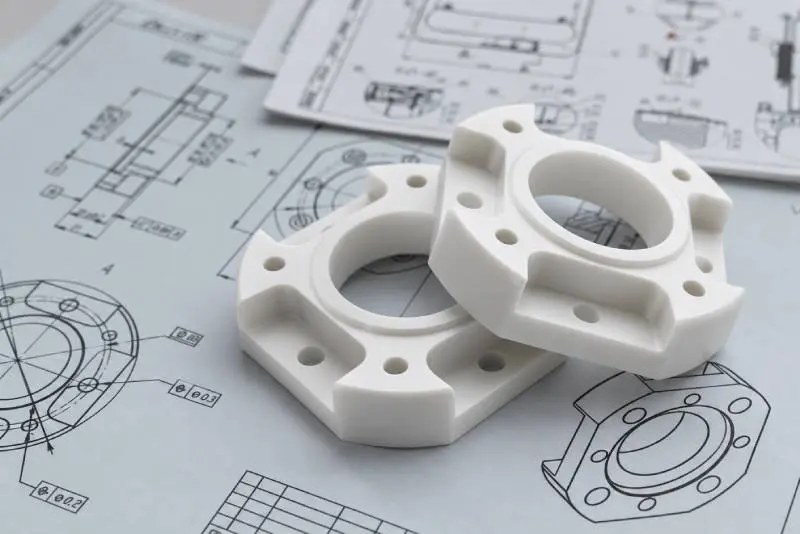
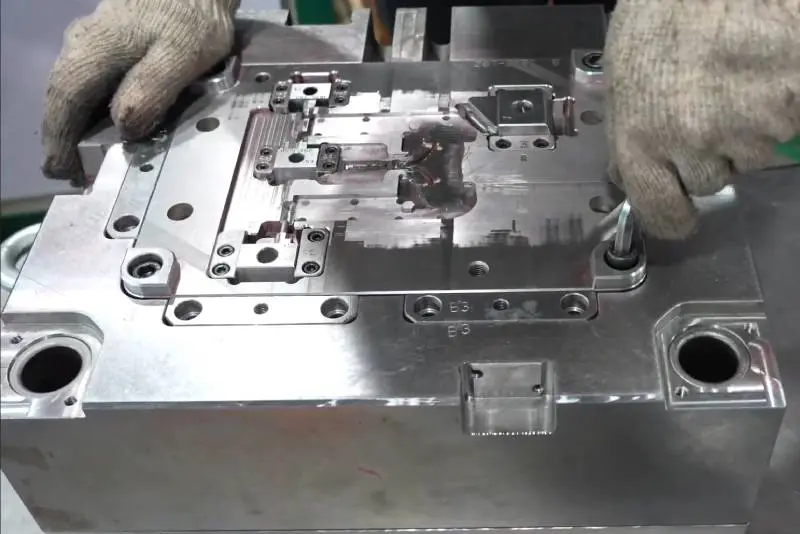
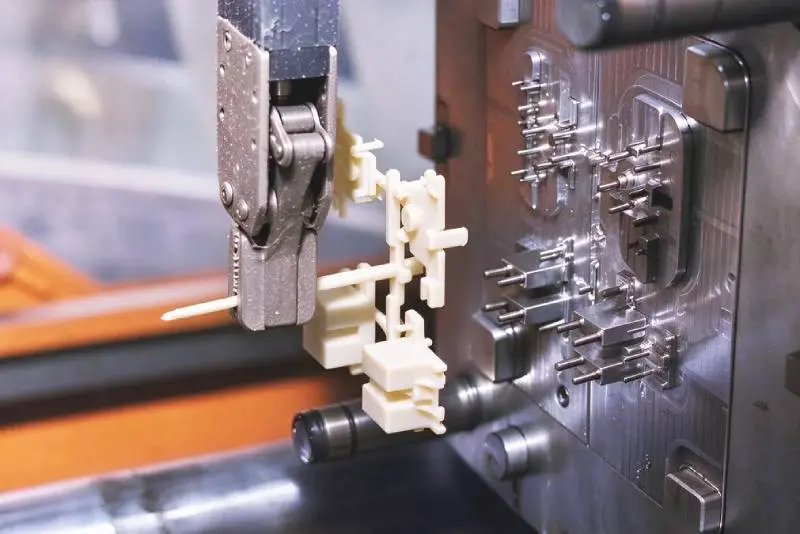
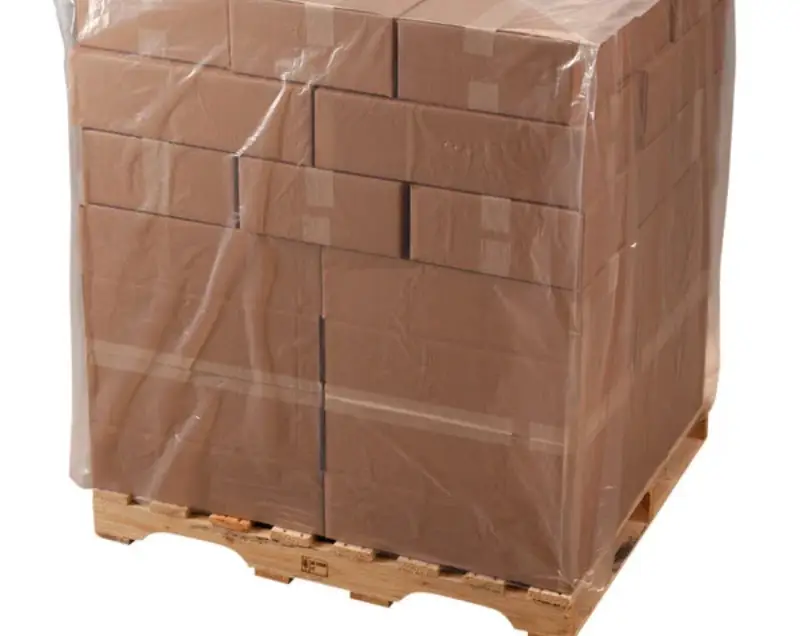
In-house production, with vetted partners for overflow and secondary operations.
No delivery allocation is implied by the four stages. Confirm the project scope and delivery route with VONTOC.
01 / Selected Capability
Mold Making
Mold design and tooling development around the reviewed part design and material.
Tooling Scope
Mold type, cavity count and steel selection are discussed against quantity and appearance requirements.
Delivery Route
Sea, air or express courier, arranged with your order confirmation.
02 / Selected Capability
Injection Molding
Molded parts produced against the confirmed design, material and quality requirements.
Production Review
Machine selection, process window and in-process checks are agreed per project.
Delivery Route
Sea, air or express courier, arranged with your order confirmation.
03 / Selected Capability
Engineering Support
Engineering support connects design review, tooling feedback and production decisions.
DFM Review
Wall sections, draft, ribs, bosses and parting line are reviewed before tooling decisions.
Delivery Route
Sea, air or express courier, arranged with your order confirmation.
04 / Selected Capability
Quality Control
Drawings, project requirements and sample feedback provide a basis for discussing what needs to be reviewed for your part.
Project Review
Agree the features and acceptance requirements that matter to your application. Inspection reports, including first-article and dimensional checks, are documented to the agreed scope.
Delivery Route
Sea, air or express courier, arranged with your order confirmation.
05 / Selected Capability
Insert Molding
Insert molding combines molded plastic with metal or pre-molded inserts in a single molding cycle.
Process Review
Insert material, plating and pull-out strength are reviewed together with part geometry.
Delivery Route
Sea, air or express courier, arranged with your order confirmation.
06 / Selected Capability
Overmolding
Overmolding layers a second material over a molded substrate for soft-touch, sealing or two-tone parts.
Material Pairing
Bond strength between substrate and overmold drives resin, geometry and tooling decisions.
Delivery Route
Sea, air or express courier, arranged with your order confirmation.
Your Project, Step by Step
A Clear Path from Design to Production
Project Review
Share your part design, intended use and manufacturing requirements.
DFM & Quotation
Review manufacturability and agree the proposed project scope.
Mold Making
Develop tooling around the reviewed part design and requirements.
Sampling
Review sample parts and feedback before production decisions.
Production
Proceed against the confirmed design and project requirements.
Applications in Focus
Designed for Real-World Applications
Typical injection molding applications, from electronic enclosures to custom components, developed around your geometry, material and quantity requirements.
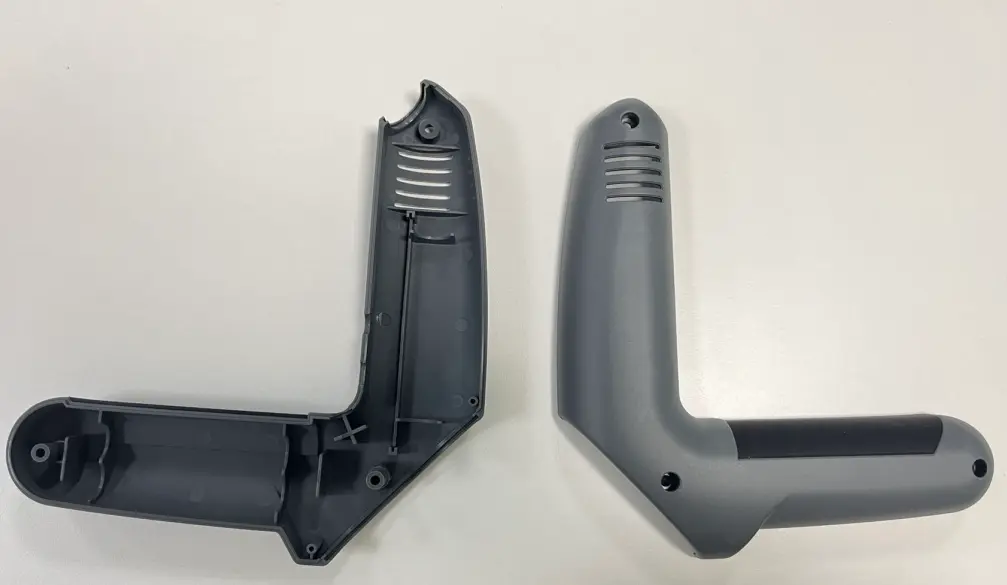
Electronic Enclosures
Housings, covers and internal parts
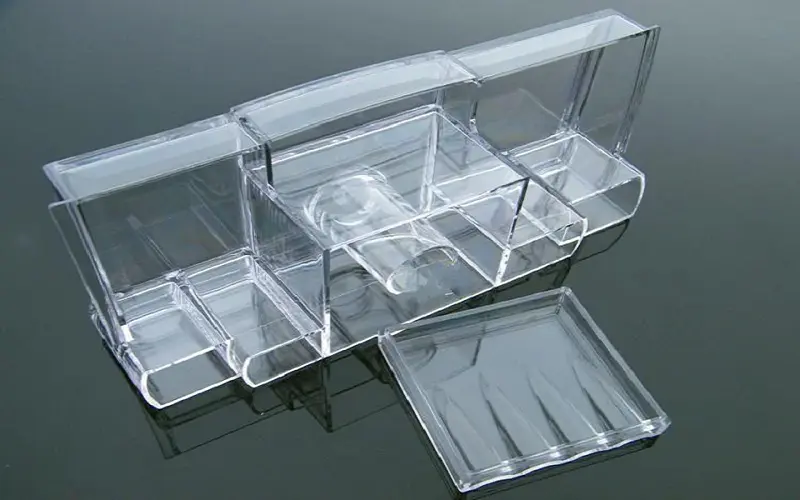
Plastic Brackets
Mounts and supports molded to load and fit
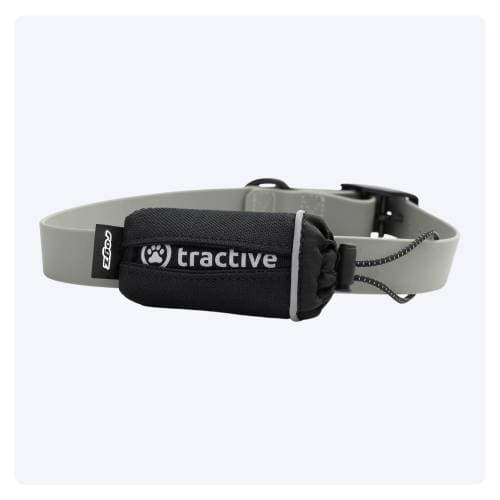
Sensor Housings
Compact housings around sensor and connector fit
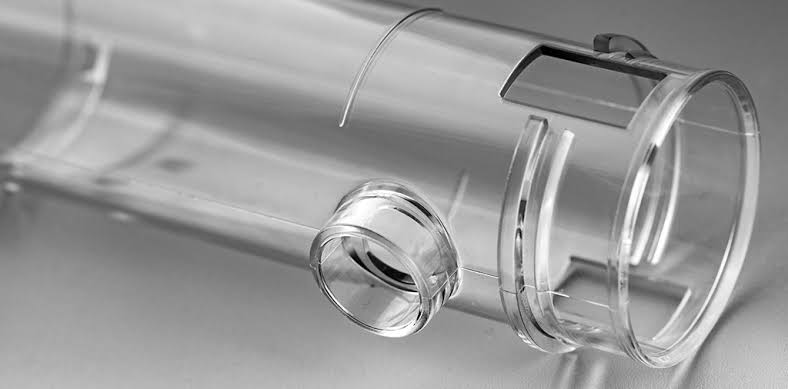
Custom Components
Geometry, material and finish developed per project
Application categories show typical molding work, not documented customer case studies or performance results.
Project Questions
Injection Molding FAQs
A few practical details before you share your design.
Open questions stay expanded; select a question to show or hide its answer.
Start with function, environment, appearance and quantity. Review the exact resin and required properties with the team; availability and processing suitability are confirmed during project review.
Screen or pad printing and laser marking are candidate options for review, not confirmed services. Artwork, resin, surface shape and durability requirements guide feasibility.
Mold texture and molded matte or glossy appearance depend on tooling and resin. Painting is a separate post-molding candidate. All options are subject to project review and capability confirmation.
Engineering support can help review wall sections, draft, ribs, bosses and parting-line considerations. Any proposed changes depend on your geometry, material and tooling requirements.
Review the part design, material, appearance, quantity and tooling requirements before proceeding. Tooling scope is defined with you during this review, and the delivery route — sea, air or express courier — is arranged with your order confirmation.
Share 3D files or drawings, material preference, expected quantity and any functional, appearance or assembly requirements available. The team can then review scope and the information still needed.
Let’s Review Your Design
Have a Plastic Part to Develop?
Share your drawings, 3D files or product concept with our team.