
No Tooling Required
Produce custom plastic parts directly from CAD files without investing in injection molds.
Capabilities / Plastic prototyping / CNC machining
CNC MACHINING SERVICES
Rapid production of detailed, functional plastic prototypes and low-volume parts machined directly from engineering plastic stock, with no tooling required.
From Prototype to Production
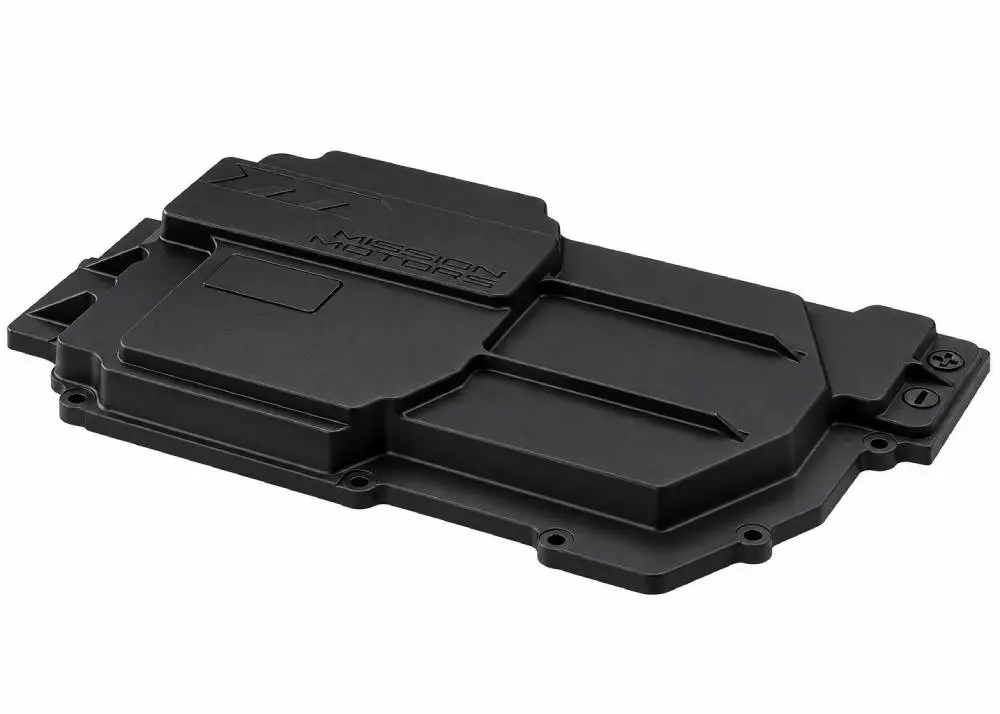
PROCESS / CNC MACHINING Parts + stock
WHY CNC MACHINING
A practical bridge between your CAD model and the next manufacturing decision.
Produce custom plastic parts directly from CAD files without investing in injection molds.

Validate designs, test functionality and manufacture small batches before committing to mass production.

Choose from a range of engineering plastics to meet your part’s durability and application requirements.

Housings, covers, brackets and functional parts.
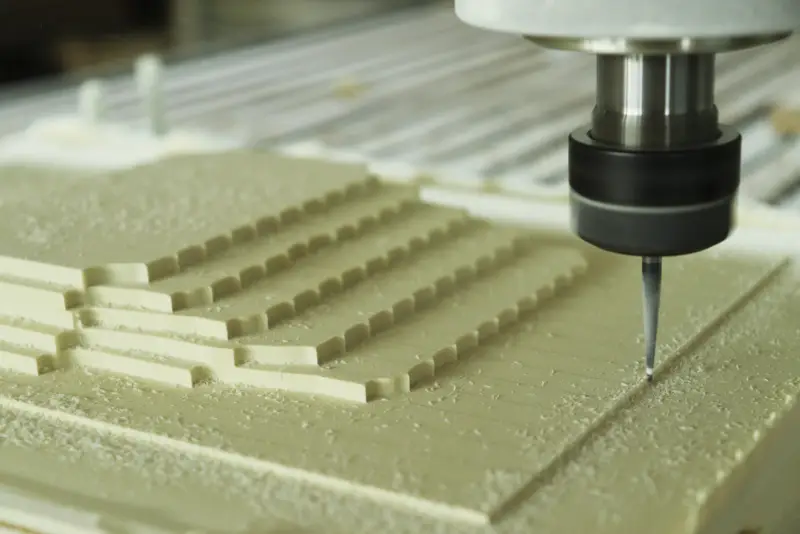
Toolpath strategy and cutting-tool access define the geometry and surface of a machined part.
THE PROCESS, EXPLAINED
Parts are programmed from your 3D CAD files and machined from solid engineering plastic stock. 3-, 4- and 5-axis milling, turning and routing remove material along calculated toolpaths until the part meets its reviewed dimensions.
The process suits functional prototypes and 1–50 pcs bridge production where actual stock material properties and tight tolerances are required, with no tooling investment.
Choose around your requirements.
Compare geometry, required actual material properties, quantity and setup effort. Machining suits parts needing real stock properties or tight tolerances; vacuum casting may suit detailed appearance parts, and injection molding may suit repeat production.
PROJECT-SPECIFIC CAPABILITIES
Typical lead time
3–7 days
Recommended quantity
1–50 pcs
Part size
Up to 800 × 800 mm
Available finishes
Polishing and painting
Material options
All categories
Feasibility and confirmed specifications follow review of your CAD files, material, finish and quantity requirements. The details above are not confirmed production specifications.
MATERIAL & SURFACE SELECTION
Machined parts are produced from solid engineering plastic stock, so properties reflect the actual grade rather than a casting approximation. Availability depends on stock section size and machinability.

Consider for enclosure concepts and assembly reviews where a rigid machined part is appropriate.
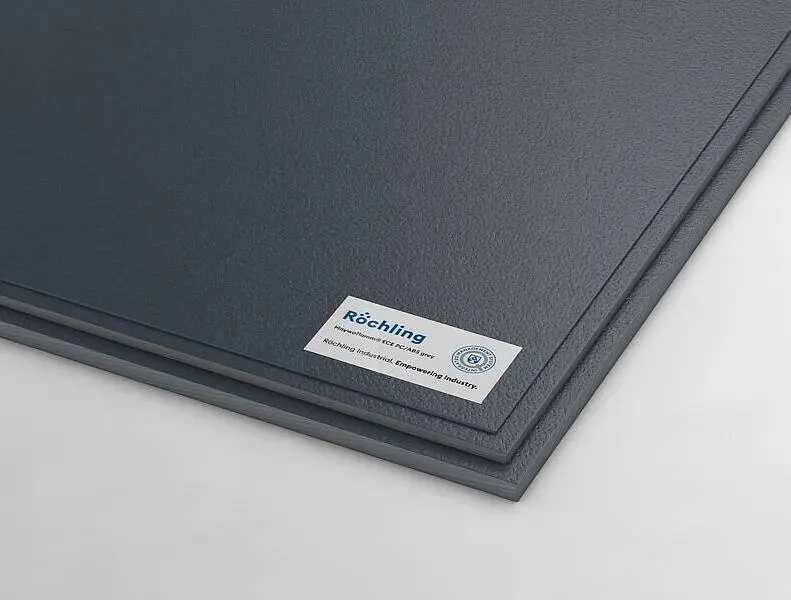
Consider for cover and housing evaluations where impact resistance and stiffness are required.
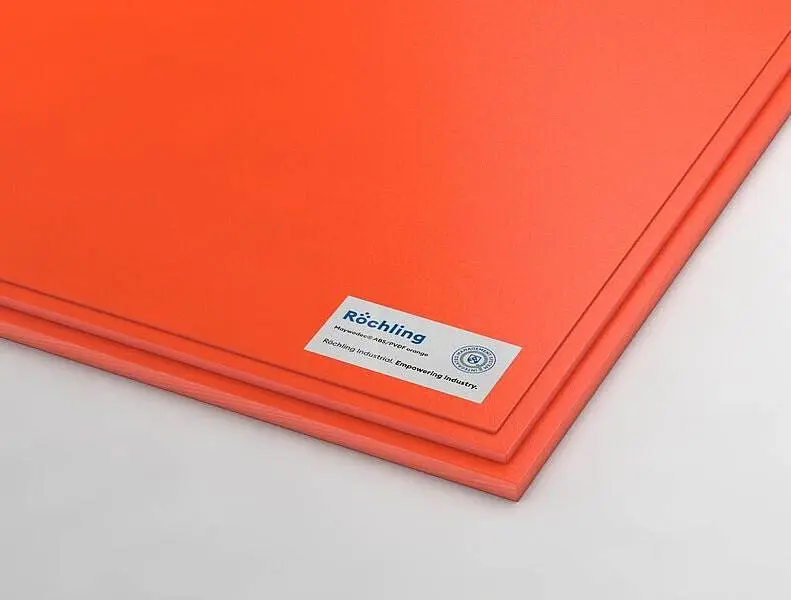
Explore for concepts needing chemical resistance and a compliant feel; wall thickness is reviewed for machining.
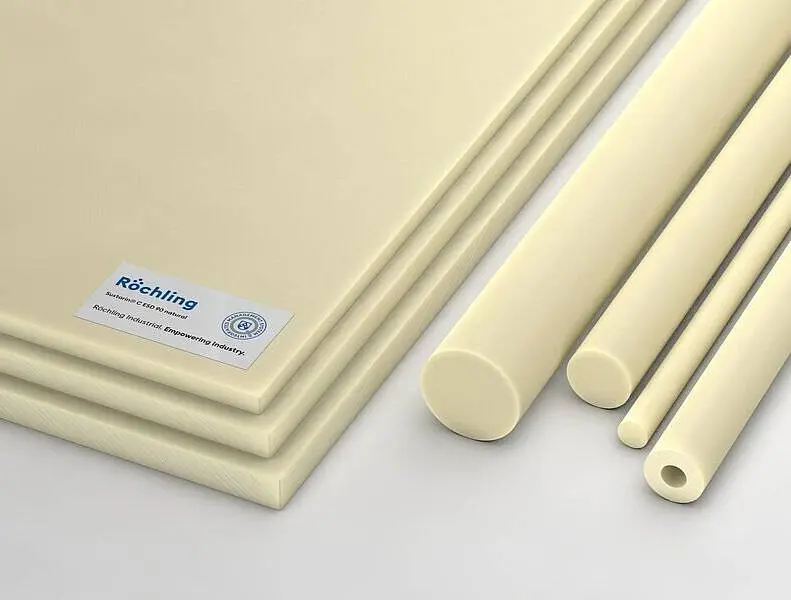
Explore visual windows and appearance models; polished PMMA reaches good optical clarity.
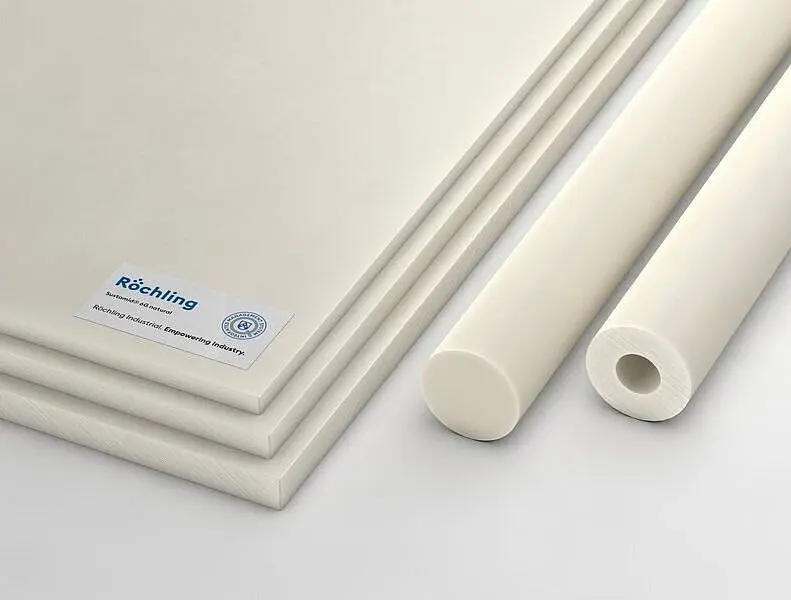
Consider for sliding parts, guides and wear components after reviewing the intended use.
Discuss the finish
As-machined surfaces can be refined by deburring, sanding, polishing and color-matched painting. Texture, color and surface appearance are discussed against your drawings and intended use.
FROM DESIGN TO PHYSICAL PART
Physical parts for product development and low-volume evaluation, selected around your requirements.
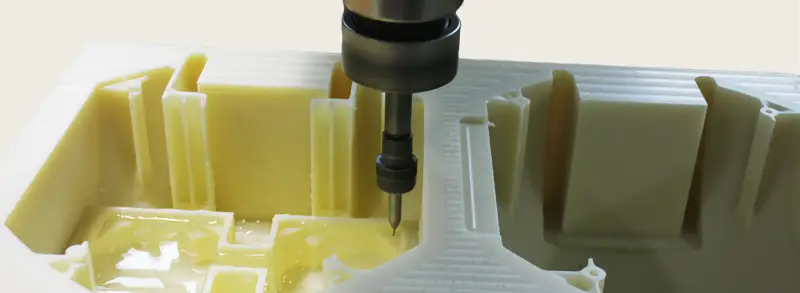
Review packaging, component clearance and enclosure assembly.
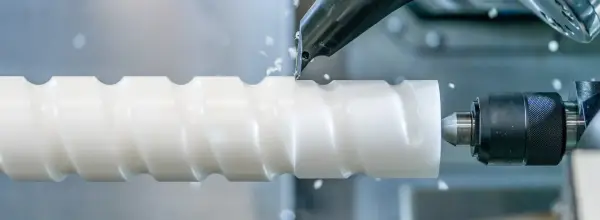
Evaluate mounting interfaces and integration around a sensor.

Assess product presentation, pocket geometry and fit.
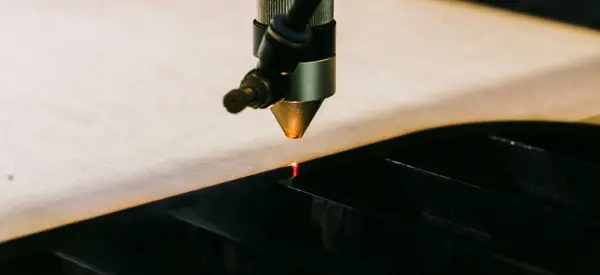
Check replacement geometry against an existing assembly.
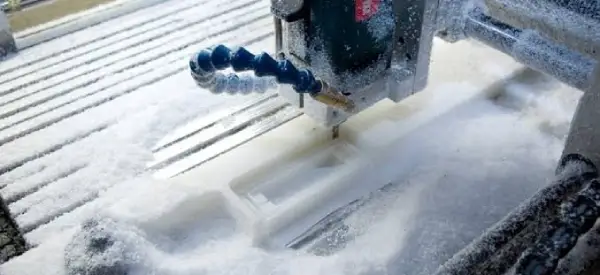
Bring form, handling and assembly details into design reviews.
HOW YOUR PARTS ARE MADE
Submit your 3D CAD files. We review part geometry, material requirements, tolerances and manufacturability.
Once the design is confirmed, toolpaths are programmed and the part is milled or turned from the selected stock on 3-, 4- or 5-axis machines.
Machined parts undergo deburring and surface finishing, such as sanding, polishing or painting, according to your requirements.
Finished parts receive dimensional checks against your drawings before packaging and delivery.
SELECT THE RIGHT PROCESS
Start with the part’s purpose, not a preferred process. Machining balances actual stock material properties, tolerance needs and geometry against setup effort, with no dedicated tooling.
Selection criteria
Vacuum Casting
CNC Machining
Injection Molding
Tooling Cost
Flexible casting molds generally require lower upfront tooling investment than production injection molds, but have a limited useful life.
No dedicated mold is required. CAM programming, workholding and fixtures still contribute to setup cost.
Generally higher upfront tooling investment. Tool design is a significant part of the production decision.
Production Volume
Suited to low-volume prototypes and evaluation parts. Mold life and geometry influence the practical quantity.
Suited to prototypes and 1–50 pcs bridge production; machining time and setup effort influence scaling.
Well suited to repeat production once the mold, material and process are established.
Surface Detail
Reproduces detail from the original pattern; the mold, resin and finishing influence the result.
Surface depends on toolpaths, tool access and secondary finishing. Cutting-tool access limits some geometry.
Detail depends on mold design, mold surface, resin and processing conditions.
Material Flexibility
Casting resin families can approximate some behaviors, but are not identical to production thermoplastics.
Uses actual machinable stock materials. Choice is limited by stock availability and machinability.
Uses moldable grades, including molding-grade thermoplastics, selected for the part and process.
Typical Use Cases
Detailed appearance models, assembly evaluation and low-volume design prototypes.
Functional prototypes and low-volume parts where actual stock material properties are required.
Repeat production parts where tooling investment and a molding-grade material are appropriate.
These are qualitative process considerations, not confirmed project specifications. No one process is always superior; final selection follows review of your part and requirements.
PROJECT QUESTIONS
The details that help you plan your next prototype.
CNC machining suits prototypes and bridge production from 1 to 50 pcs, because no dedicated tooling is required. Above that range, setup and machining time are weighed against tooling-based processes.
Parts are machined from solid engineering plastic stock, including ABS, PC, PP, POM, PA and clear PMMA. Suitability is grade-specific, and stock section size limits very large parts.
Most machined parts ship in 3–7 days once files are approved. Complex geometry, tight tolerances and secondary finishing can extend this; your confirmed schedule follows review of your CAD files, quantity, material and finish requirements.
Share your 3D CAD files, desired quantity, material and finish goals, and any relevant requirements. These details support manufacturing review and quotation.
LET’S REVIEW YOUR DESIGN
Share your 3D files and project requirements for manufacturing review and a quotation tailored to your part.

Thank you for contacting VONTOC. Your inquiry has been submitted successfully.
For your records, a confirmation has been prepared for the email address you provided.